Ask most people to name an Italian holiday destination and Sicily rarely makes the first few answers — the Amalfi Coast, Tuscany, and Rome tend to get there first, despite Sicily offering a genuinely richer, more layered history than almost anywhere else in the country, alongside its own distinct food culture and some of the Mediterranean's most dramatic scenery. It's finally getting more attention, partly thanks to a certain HBO show filming its second season at a clifftop hotel in Taormina, but it remains genuinely underrated relative to what it actually offers.
A History Unlike Anywhere Else in Italy
Sicily's position at the centre of the Mediterranean made it a prize for nearly every major civilisation in the region's history, and unlike almost anywhere else in Italy, the physical evidence of that layered past is still standing, often within the same city.
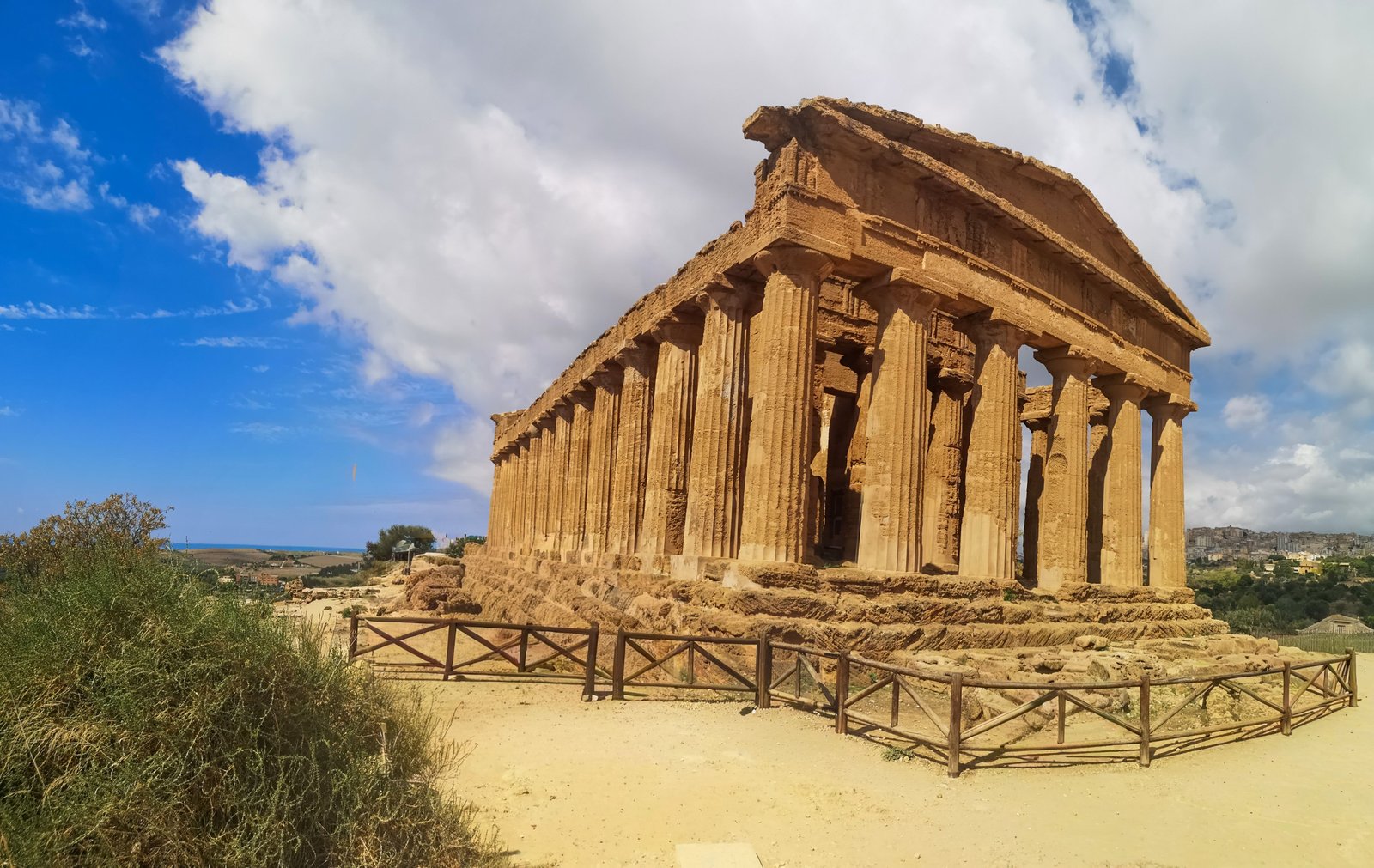
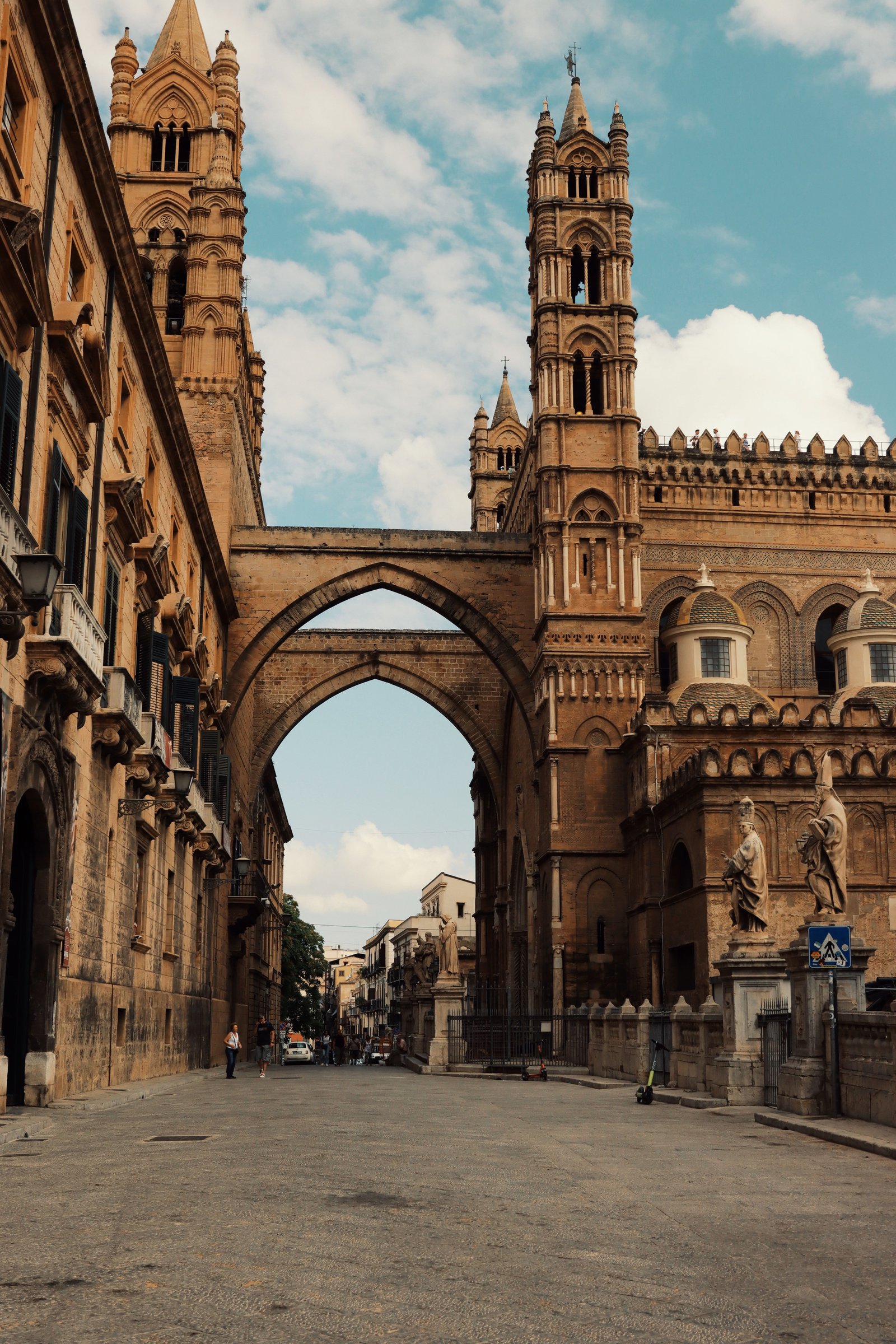
The Valley of the Temples near Agrigento is one of the most significant ancient Greek archaeological sites anywhere in the world — better preserved, in several respects, than many sites in Greece itself. The Temple of Concordia stands almost completely intact, a genuinely staggering sight for a structure over 2,400 years old. Palermo, Sicily's capital, tells an entirely different chapter of the island's history through its Arab-Norman architecture — a genuinely unique fusion style found nowhere else, where Byzantine mosaics, Arab geometric patterns, and Norman architecture sit together in the same buildings, a direct legacy of the island changing hands between Arab and Norman rule in the medieval period.
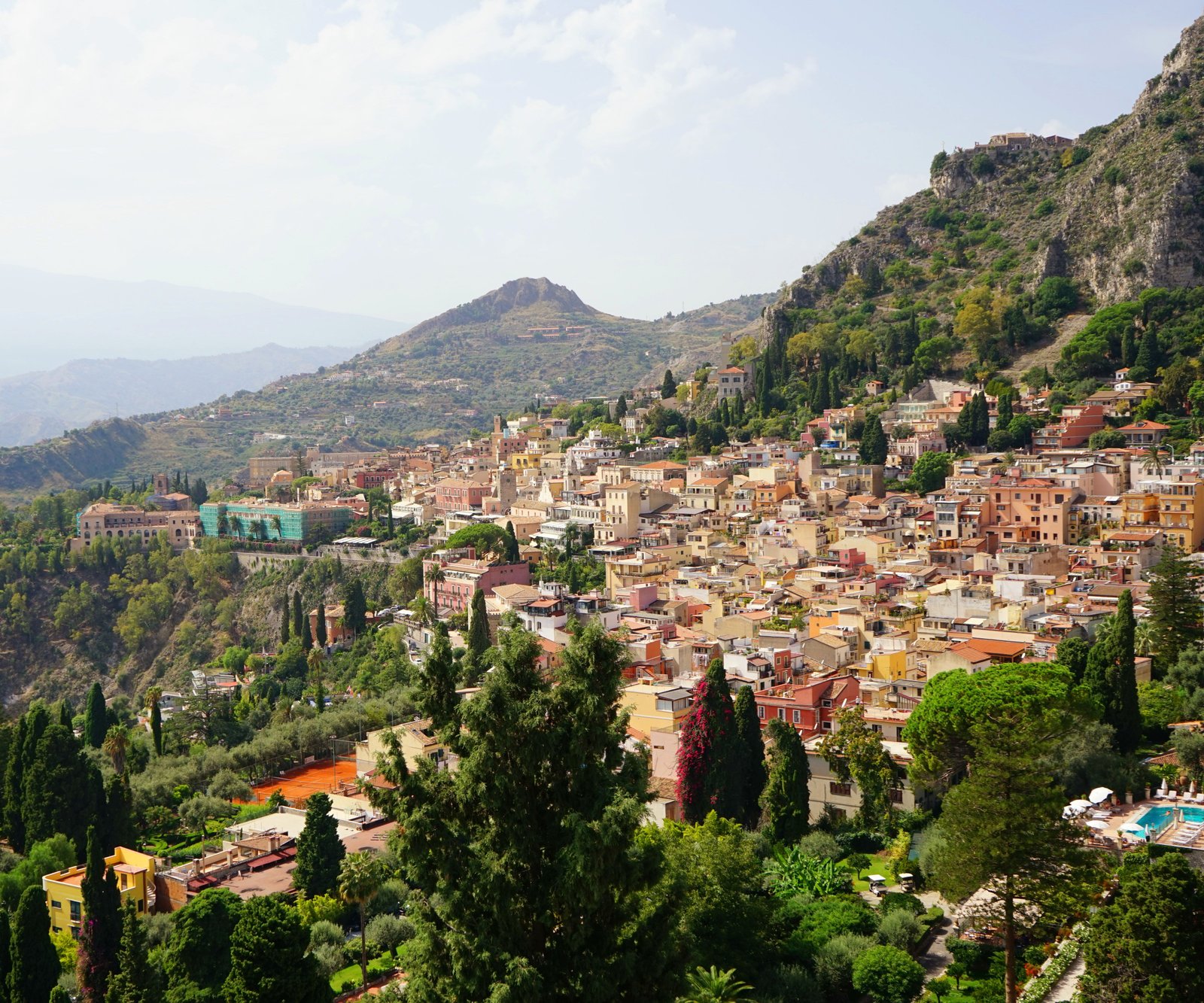
Taormina, perched dramatically on a hillside on the island's east coast, adds yet another layer: a beautifully preserved Greek theatre, still used for performances today, framed by views across the sea to Mount Etna in the distance — arguably one of the most spectacular backdrops any ancient theatre in the world can claim.
Mount Etna: Europe's Most Active Volcano
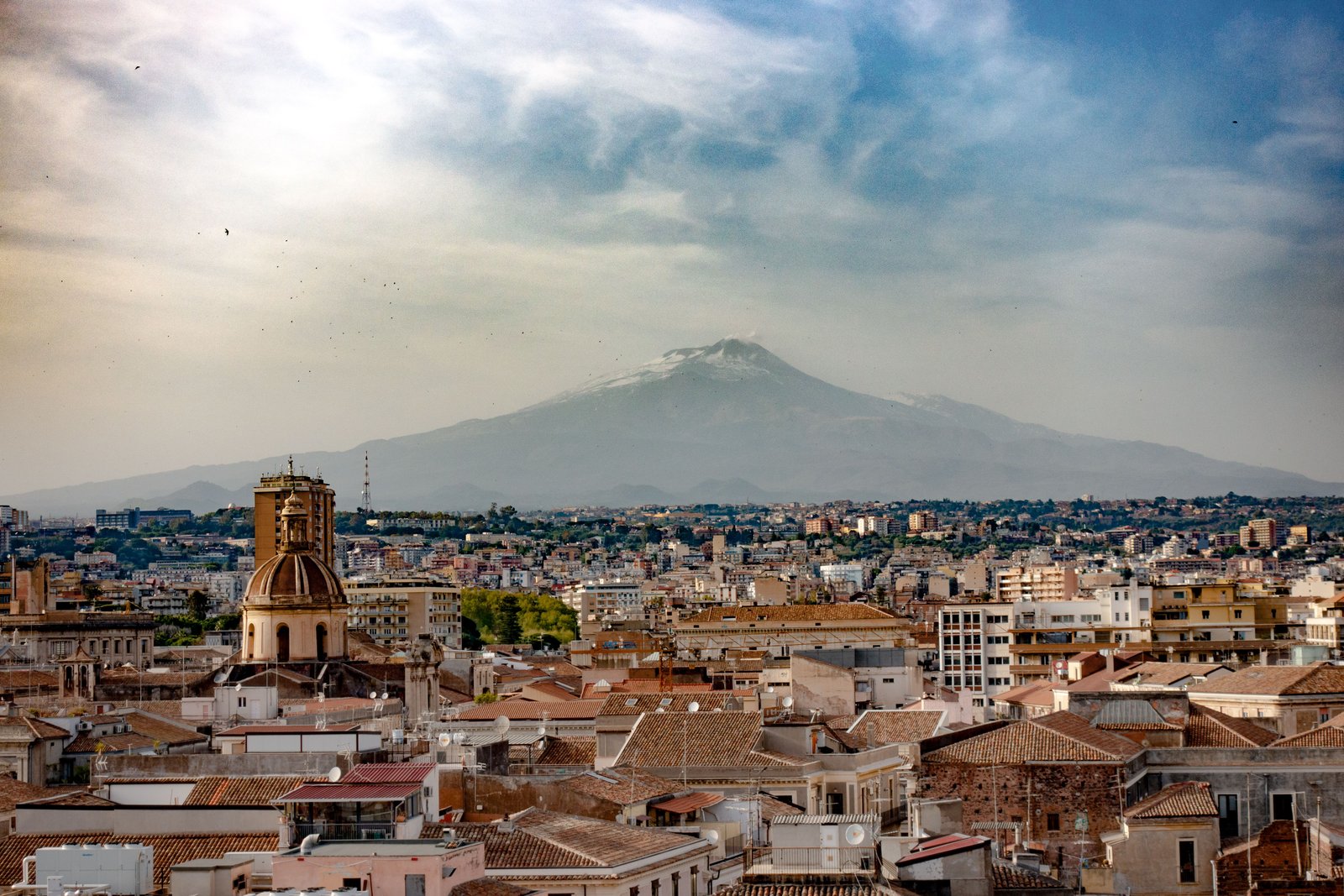
Mount Etna dominates Sicily's eastern landscape, both literally and as a defining part of the island's character. Still frequently active, Etna offers guided hikes across its lower slopes and, for the more adventurous, excursions closer to the summit craters with a qualified guide. Even from a distance, its presence is constant — visible from Taormina, from many of the region's vineyards, and from much of the surrounding coastline.
That volcanic activity has also given Sicily something else worth knowing about: exceptional wine. The mineral-rich volcanic soil on Etna's slopes has made the region one of Italy's most exciting wine areas in recent years, producing distinctive reds and whites that increasingly show up on serious wine lists well beyond Sicily itself.
A Food Culture Distinctly Its Own
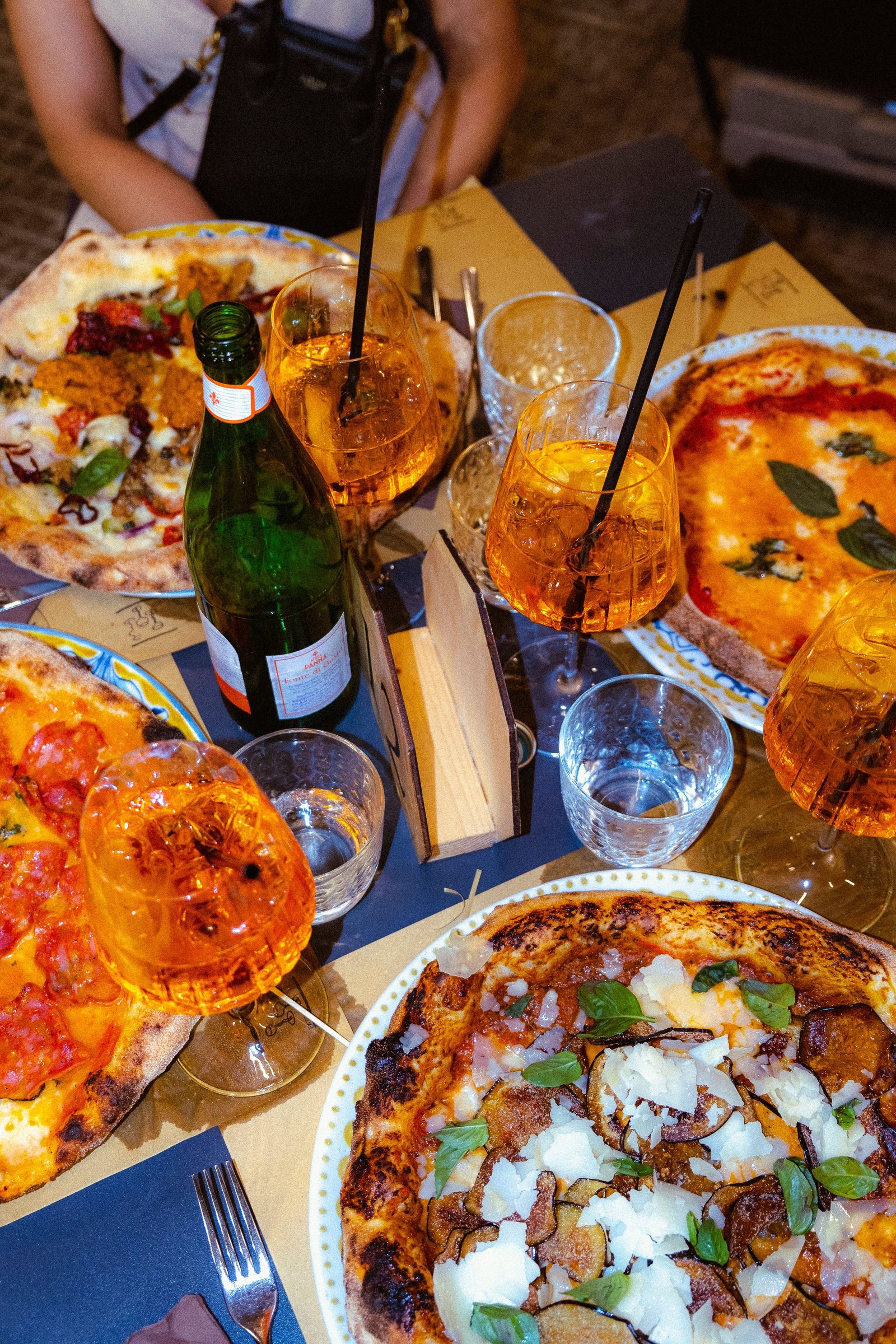
Sicilian food stands genuinely apart from mainland Italian cooking, shaped by the island's Greek, Arab, and Spanish influences layered on top of its own Italian identity. Arancini — fried, stuffed rice balls, a genuine Sicilian street food staple — bear little resemblance to anything found on the mainland. Cannoli, the island's most famous export, are best eaten fresh and filled to order, a world away from the pre-filled, softened versions often found abroad. Seafood is naturally excellent given the island's coastline, and Sicily's markets — Palermo's Ballarò and Vucciria among the most famous — deliver exactly the kind of loud, colourful, genuinely local food experience that's become harder to find in more heavily touristed parts of Italy.
The Coastline and Beaches
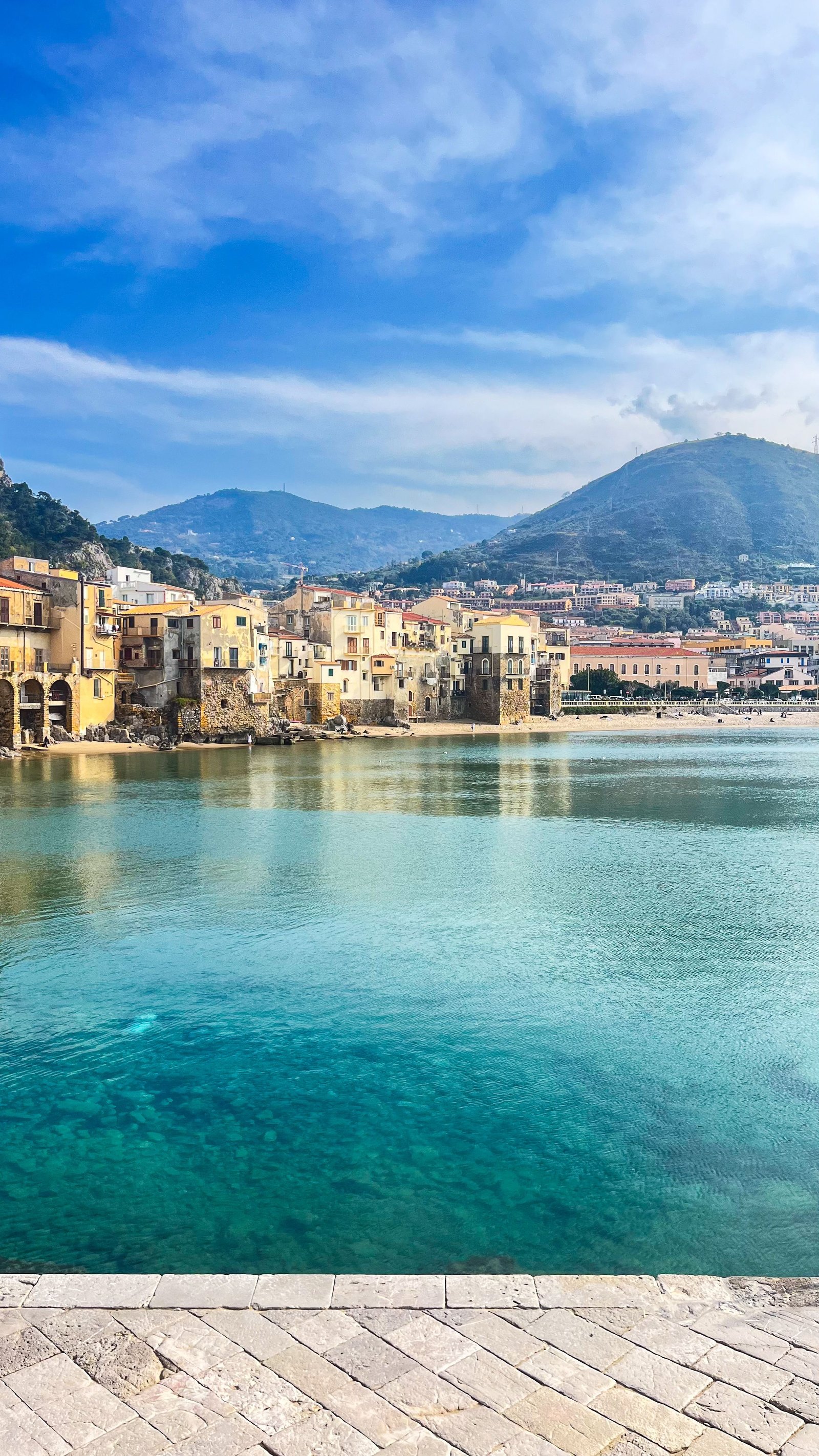
Sicily's coastline offers real variety. Taormina combines dramatic clifftop scenery with a small but excellent beach area below, reached by cable car from the town itself. Cefalù, on the island's northern coast, offers a beautifully preserved medieval old town directly beside a genuinely excellent sandy beach — a rare combination of proper history and proper beach time in the same, easily walkable location. San Vito Lo Capo, further west, delivers some of the island's most striking turquoise water, with a backdrop of dramatic limestone cliffs.
Palermo: An Underrated City Break in Its Own Right
Beyond its role as a base for exploring the wider island, Palermo deserves consideration as a city break destination on its own merits. The Arab-Norman architecture mentioned earlier is genuinely unique in Europe, the street food scene is one of Italy's best and most distinctive, and the city has a raw, unpolished energy that feels quite different from the more manicured tourist centres of Florence or Venice — which some travellers find far more compelling precisely because of that.
Practical Planning Notes
Direct flights from the UK run to both Catania (the better base for Taormina, Etna, and the east coast) and Palermo, typically taking around 3-3.5 hours. Sicily is a genuinely large island — considerably bigger than it often appears on a map of Italy — so getting around comfortably usually means renting a car, particularly for reaching Agrigento's Valley of the Temples or exploring beyond the main coastal towns. Trains connect some of the larger towns along the coast, but service inland is limited.
Spring (April-May) and autumn (September-October) offer the most comfortable temperatures for sightseeing and hiking Etna's slopes; summer brings intense heat, particularly inland, alongside the island's busiest crowds.
Sicily also tends to offer noticeably better value than the Amalfi Coast or Cinque Terre for a comparable quality of hotel and restaurant, largely because it hasn't yet reached the same level of mainstream tourist demand as those more famous stretches of Italian coastline. For travellers who've already done the Amalfi Coast and are looking for something with equally dramatic scenery and history but without quite the same price tag or crowds, Sicily is very often the answer.
Thinking about Sicily for your next Italian trip? Get in touch and I'll help you plan a route that actually does the island justice.