Santorini: The Iconic One
Santorini is the island most people picture when they imagine Greece, and it earns that reputation almost entirely through its geography. The island is really the rim of a collapsed volcanic caldera, which is why the classic image — whitewashed buildings and blue-domed churches clinging dramatically to a cliff edge — exists at all. Sunset in Oia, the island's most photographed village, is one of the most iconic moments in European travel, with crowds gathering along the caldera wall every evening specifically to watch it.
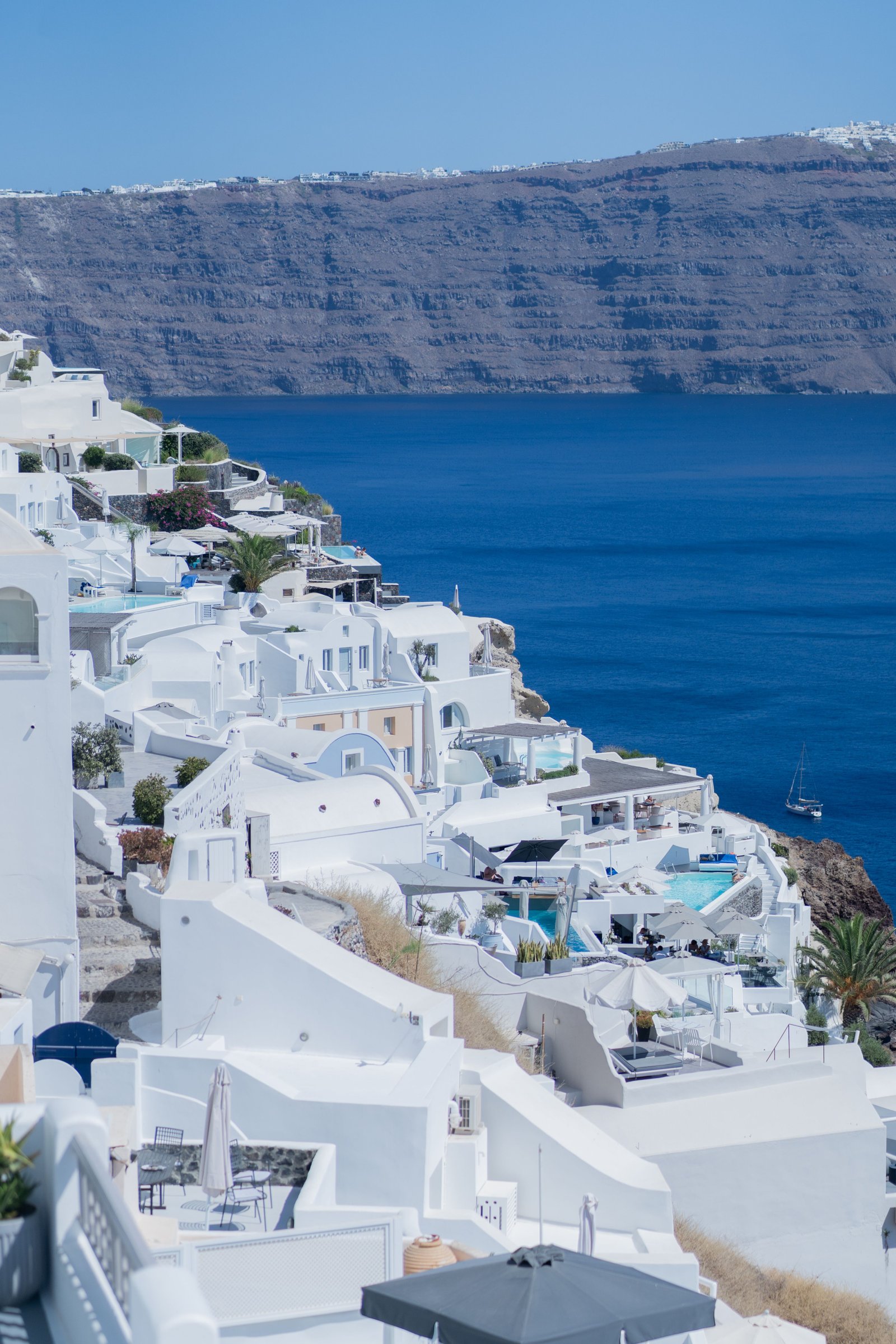
This is Greece's honeymoon and anniversary island, and the hospitality industry here reflects that — a huge concentration of adults-only hotels, many with private plunge pools built directly into caldera-view terraces. It's also one of the most expensive Greek islands, and one of the smaller and more crowded ones, particularly from June through August, when Oia's sunset viewpoint can feel genuinely packed rather than romantic.
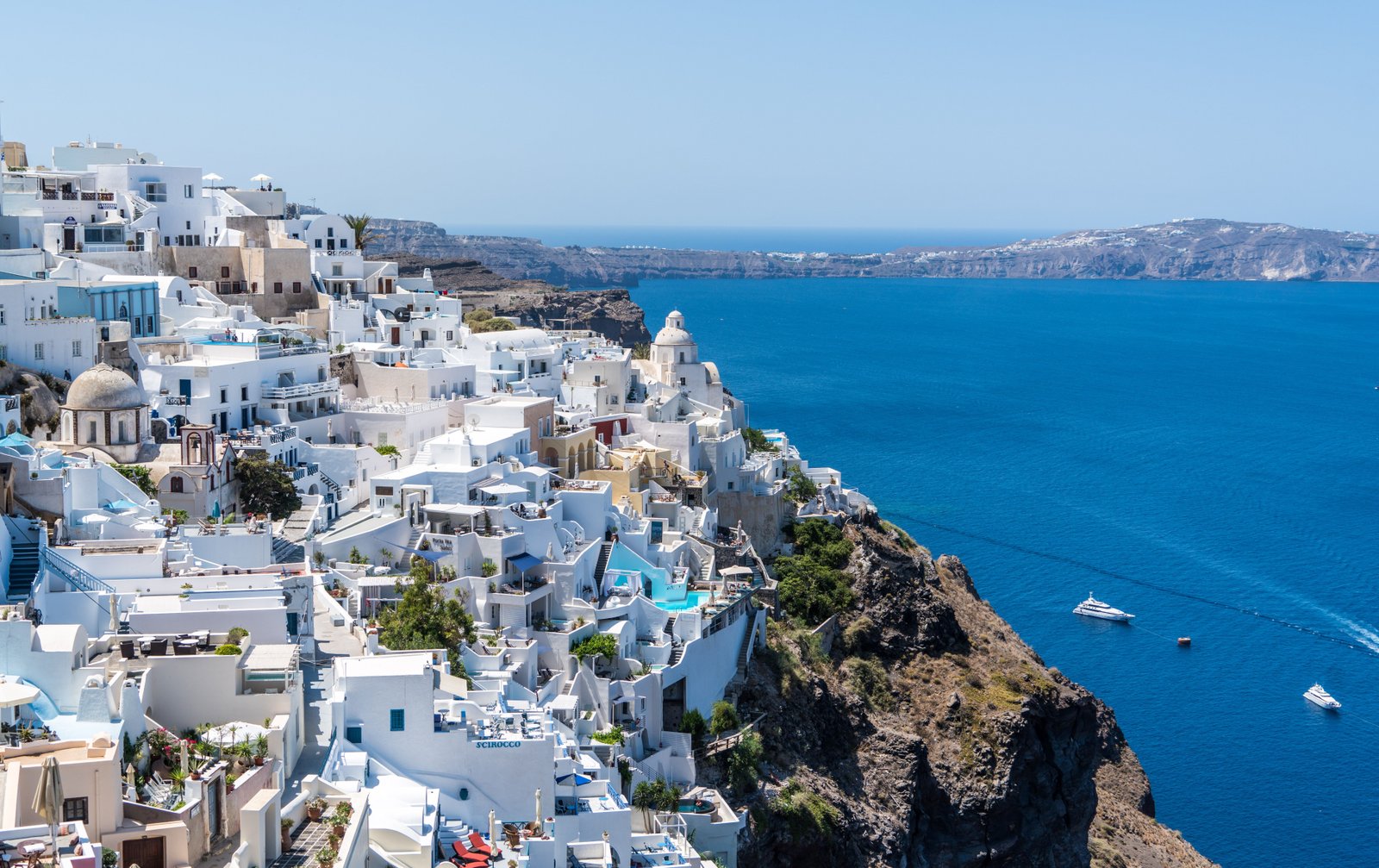
Best for: couples, honeymoons, anniversaries, and anyone whose priority is that one unmistakable view — as long as the higher price tag and busier crowds are an acceptable trade-off for it.
Mykonos: The Glamorous One
Mykonos built its reputation on nightlife and has never really let go of it, though the island offers more range than its party-island image suggests. Beach clubs along Paradise and Super Paradise beaches deliver genuinely world-class daytime partying, while Mykonos Town's winding whitewashed streets — designed centuries ago specifically to confuse pirates — now house high-end boutiques, chic restaurants, and the island's famous windmills overlooking the sea.
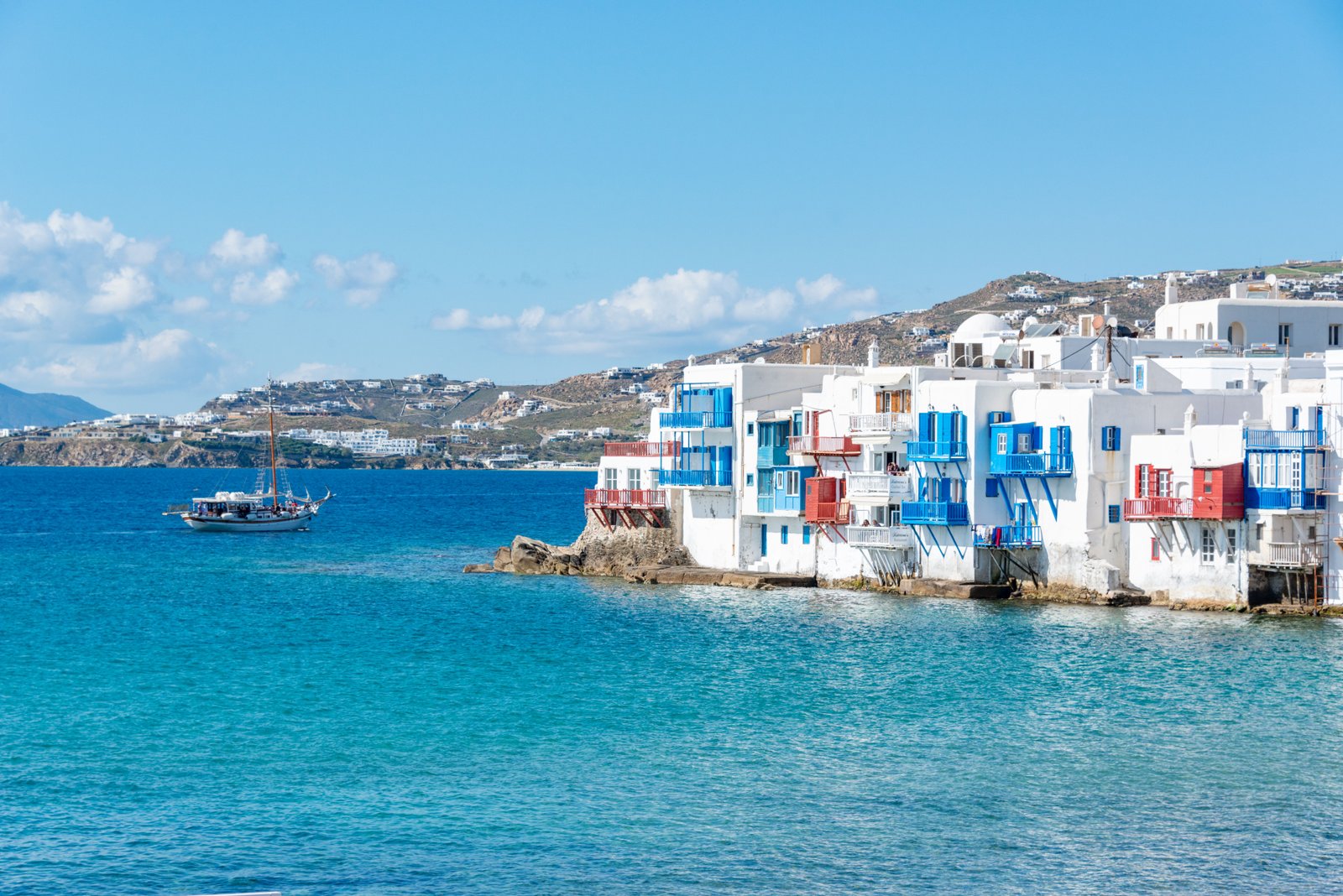
Mykonos has also long been one of the most LGBT+ welcoming destinations in the Mediterranean, with a well-established, decades-old scene that predates much of Europe's more recent embrace of LGBT+ tourism. Like Santorini, it comes at a premium price, and the island's compact size means popular spots get busy fast in peak season.
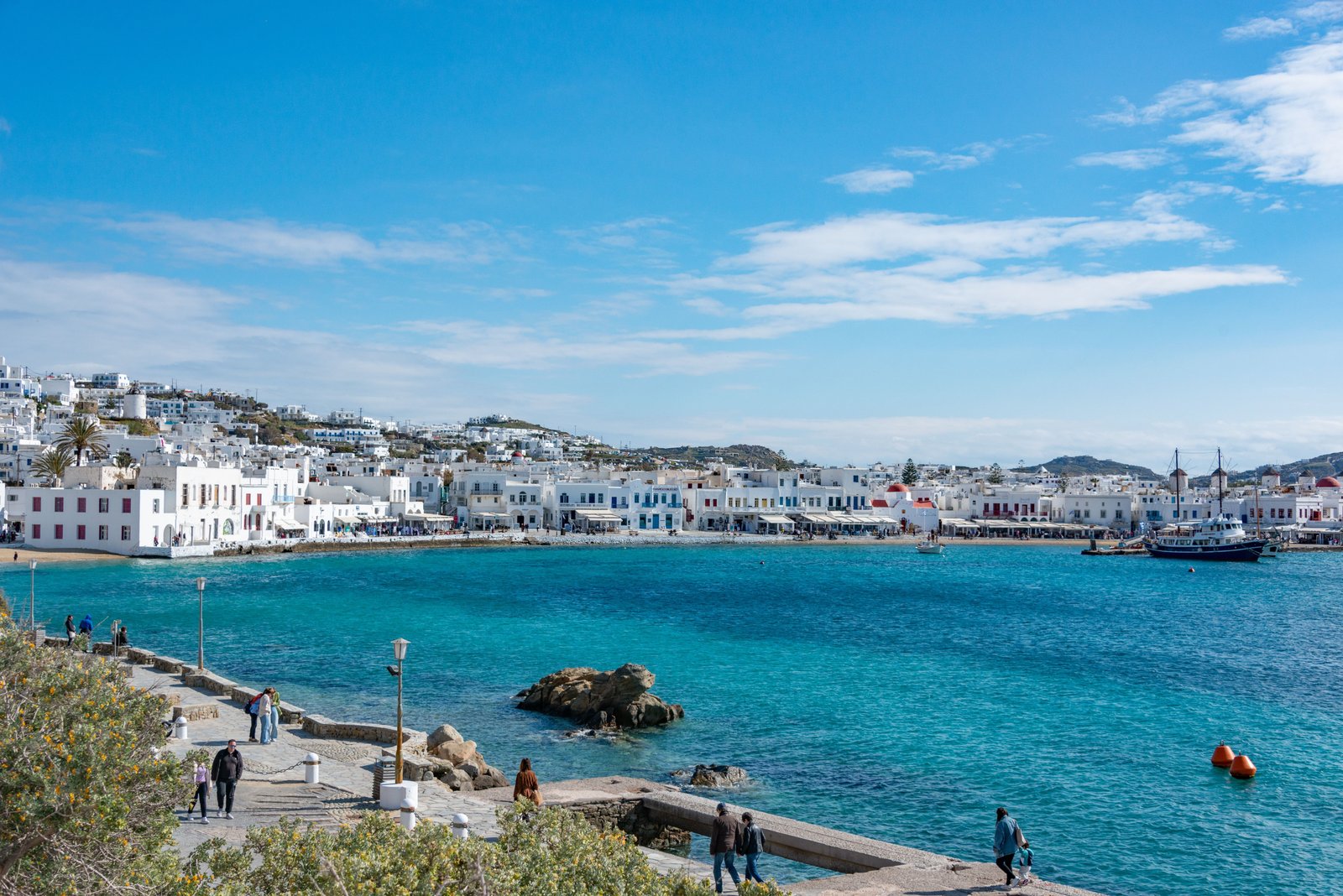
Best for: travellers wanting nightlife and a glamorous social scene alongside real beach time, groups of friends, and LGBT+ travellers looking for an established, welcoming scene rather than a newer one.
Crete: The Authentic One
Crete is a different proposition entirely, mostly because of scale — it's Greece's largest island by far, closer in size to a small country than a typical island hop. That size changes everything about how a Crete trip works: rather than settling into one town for a few days, Crete rewards road-tripping, moving between very different landscapes and towns that each have their own distinct character.
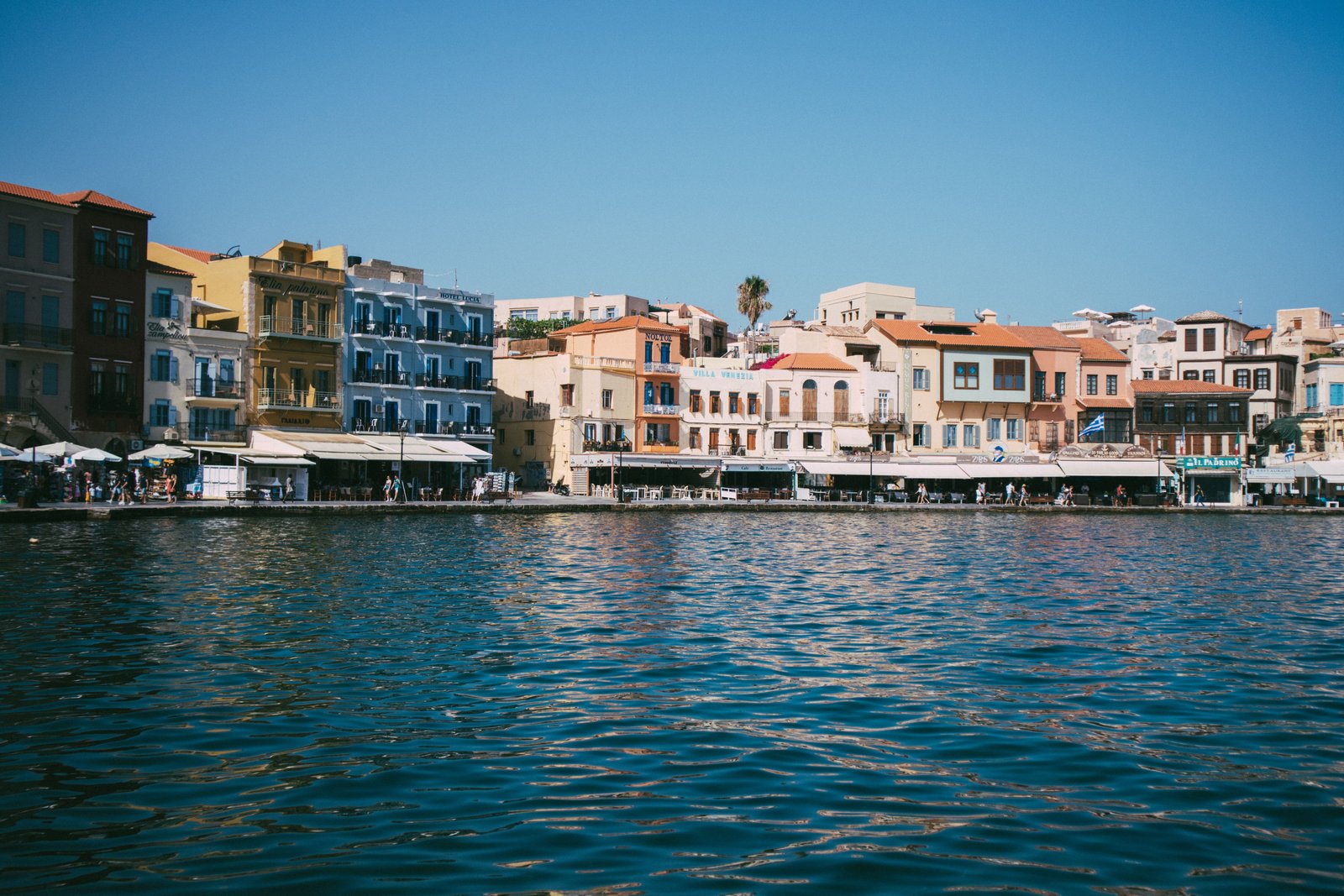
History runs deep here — the Palace of Knossos, near the city of Heraklion, is one of the most significant archaeological sites in Europe, tied to the Minoan civilisation and the myth of the Minotaur. Beyond the history, Crete offers dramatic mountain scenery, the Samaria Gorge (one of the longest gorges in Europe, popular with serious hikers), and beaches that range from the pink-tinged sands of Elafonissi to the palm-fringed cove at Vai. Food culture here is genuinely excellent and distinct from the rest of Greece, leaning heavily on olive oil, wild greens, and Cretan specialities rarely found elsewhere in the country.
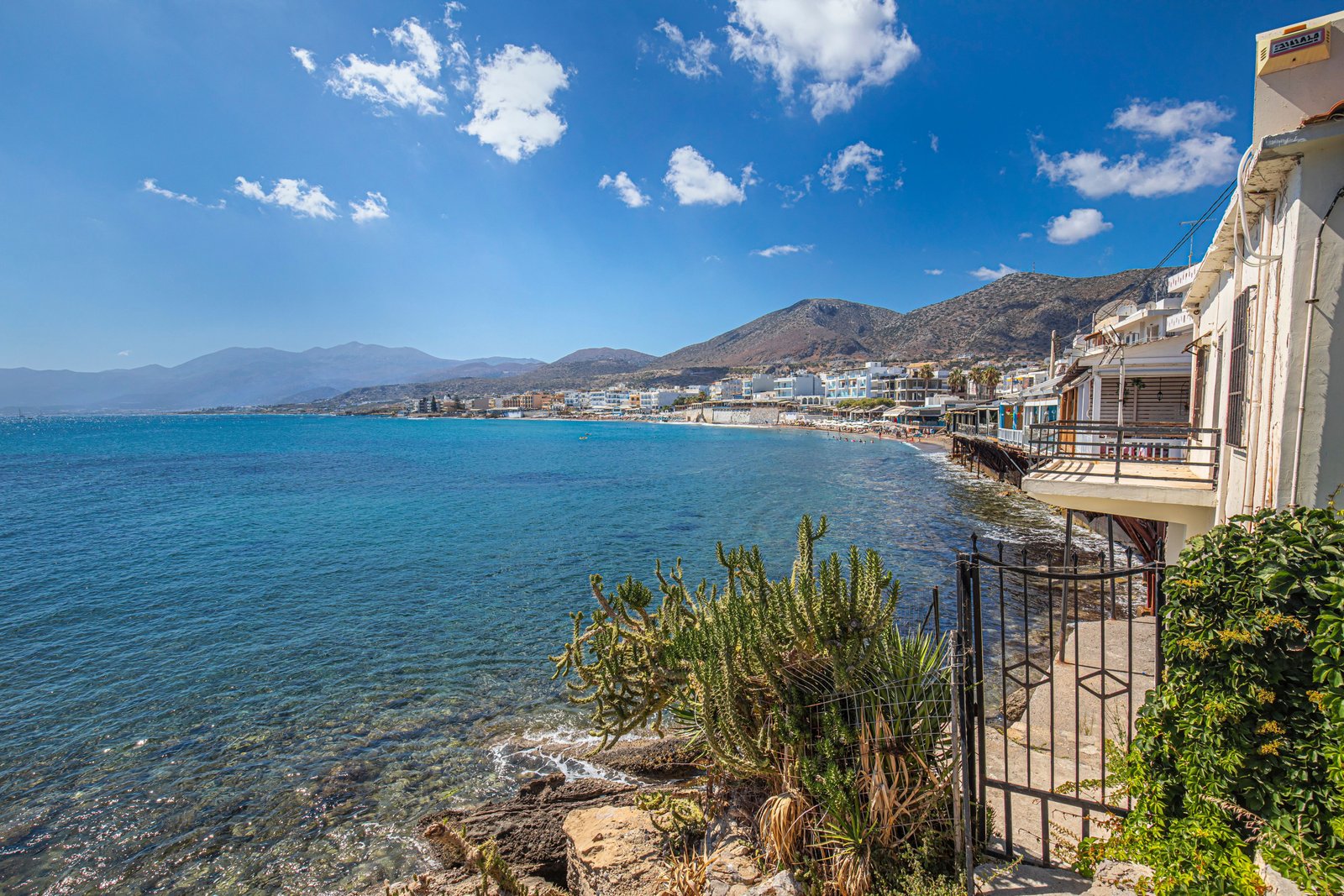
Crucially, Crete is noticeably more affordable than Santorini or Mykonos, and considerably less crowded relative to its size, since visitors spread out across a much larger area rather than concentrating in one or two hotspots.
Best for: families, longer stays, travellers who want to combine history, mountains, and beaches in one trip, and anyone looking for better value without sacrificing quality.
Which One Actually Suits Your Trip?
The honest answer depends less on which island is "best" and more on what kind of trip is actually wanted. Santorini delivers the postcard image and the romance, but at a real cost in both price and crowds. Mykonos delivers energy, glamour, and one of the Mediterranean's most established LGBT+ scenes, but shares Santorini's premium pricing and compact scale. Crete delivers space, depth, and value, at the cost of the singular, dramatic caldera view that makes Santorini so photographed in the first place.
For travellers who genuinely can't choose, island-hopping is a real option — a few days in Santorini paired with either Mykonos or Crete works well by ferry, particularly for a longer trip. Cramming all three into one holiday, though, tends to leave visitors feeling like they've seen very little of any of them; two islands, given proper time each, almost always makes for a better trip than three rushed.
Practical Planning Notes
Direct flights from the UK run to all three islands seasonally, typically April through October, with connections via Athens available year-round outside that window. Peak season (July-August) brings the highest prices and biggest crowds across all three islands, while May-June and September-October deliver the best balance of good weather, lower prices, and manageable crowds — a pattern that holds true across almost all of the Greek islands, not just these three.
Ferry connections between the islands vary in length and frequency depending on the season, and it's worth knowing that a Santorini-to-Mykonos crossing is a very different journey to a Santorini-to-Crete one — routes, durations, and operators change year to year, so this is genuinely worth checking against current timetables rather than assuming ferries run as frequently in shoulder season as they do at the height of summer.
Trying to decide between Santorini, Mykonos, and Crete — or wondering whether an island-hopping trip makes more sense than picking just one? That's exactly the kind of decision worth talking through properly. Get in touch and I'll help match the island to the trip.