Malta and Cyprus are two Mediterranean favourites that consistently attract UK travellers looking for sunshine, culture and easy relaxation. Although both islands share warm weather, beautiful coastlines and friendly atmospheres, they offer very different holiday experiences. Malta is compact, historic and easy to explore in a short break, while Cyprus is larger, beach‑focused and ideal for longer, slower holidays. Choosing between them depends on the type of Mediterranean escape you want.
Malta appeals to travellers who enjoy culture, architecture and walkable cities. Valletta, Mdina and the Three Cities offer a depth of history rarely found on islands of this size. The atmosphere feels distinctly European, with narrow streets, golden limestone buildings and harbours that glow at sunset. Because Malta is small, getting around is simple, and you can explore multiple towns, beaches and cultural sites in just a few days. It’s a destination where every corner feels close, and every day offers a mix of sightseeing and coastal relaxation. For UK travellers who prefer short breaks or long weekends, Malta’s compactness is a major advantage.


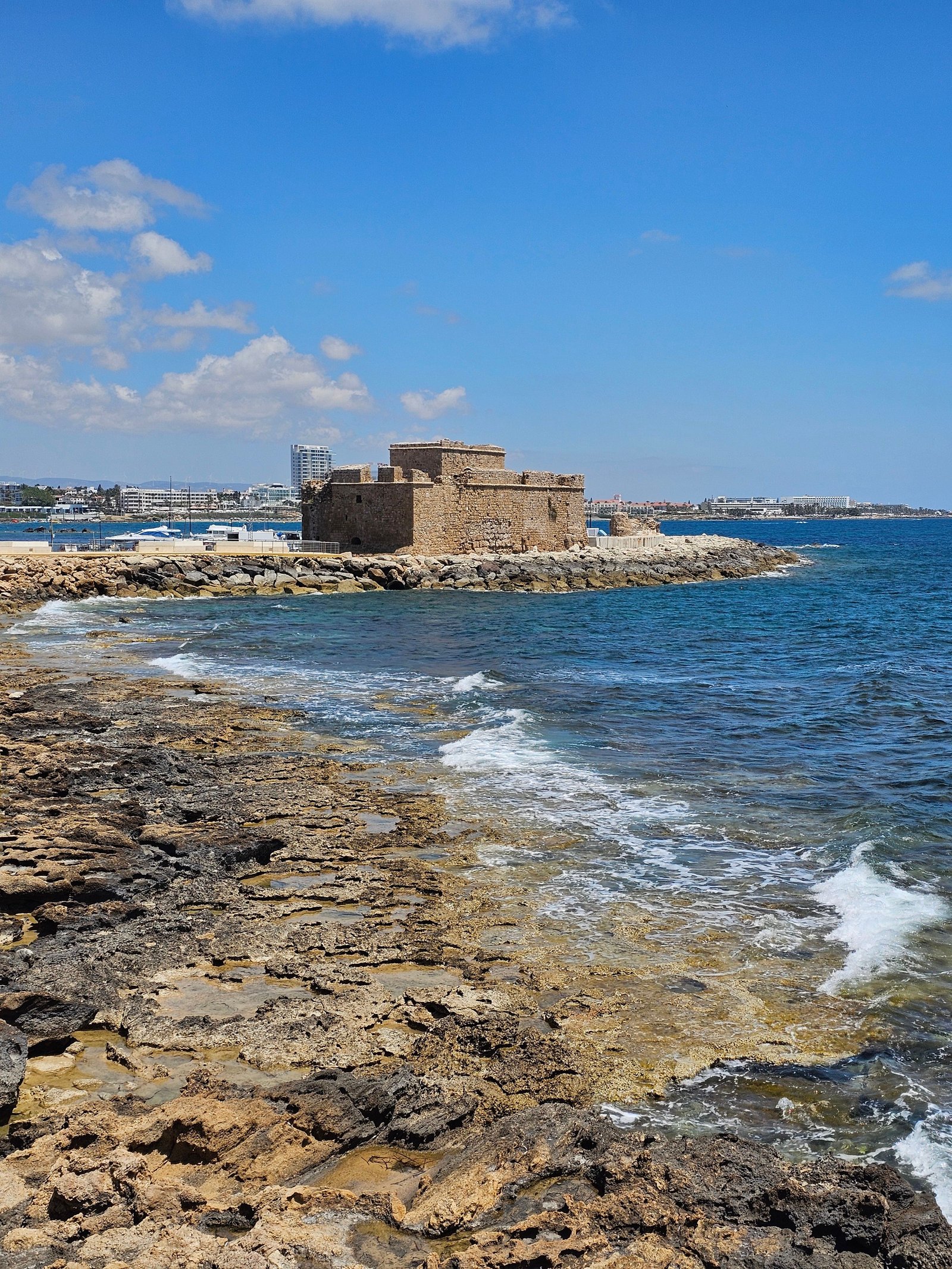
Cyprus, on the other hand, offers a more spacious, beach‑driven holiday. Resorts in Paphos, Limassol and Ayia Napa provide long stretches of coastline, family‑friendly beaches and a slower pace that suits travellers wanting to unwind. The island is significantly larger than Malta, which means more variety in landscapes, from rugged peninsulas to quiet coves and lively resort towns. Cyprus also has a strong reputation for hospitality, with warm, welcoming locals and a food culture that blends Greek, Middle Eastern and Mediterranean influences. For travellers who want a classic beach holiday with plenty of sunshine and space, Cyprus delivers exactly that.

Affordability is another key difference. Malta tends to be slightly more expensive in terms of accommodation and dining, especially in Valletta and Sliema. Cyprus generally offers better value for longer stays, with a wide range of hotels and apartments that suit families, couples and groups. Flights to both islands are frequent and reasonably priced, but Cyprus often benefits from stronger seasonal schedules from UK airports, especially during the summer months. Malta’s flight network is excellent too, but Cyprus usually offers more options for travellers seeking flexibility.
Weather is consistently warm in both destinations, but Cyprus has the advantage of a longer beach season. Its summers are hot and dry, and even late October can feel summery. Malta’s climate is also reliable, though breezier, and its beaches are smaller and more scattered. Cyprus is the better choice for travellers who prioritise long days by the sea, while Malta suits those who want a blend of culture and coastal views rather than full beach days.
When it comes to food, both islands offer excellent Mediterranean cuisine, but the experience differs. Malta’s food scene reflects its unique blend of Italian, Arabic and British influences, with dishes like rabbit stew, pastizzi and fresh seafood. Cyprus leans more towards Greek flavours, with meze spreads, grilled halloumi, souvlaki and village tavernas that feel wonderfully traditional. For travellers who enjoy long, leisurely meals, Cyprus offers a particularly warm and generous dining culture.
Ultimately, Malta is ideal for UK travellers who want a cultural city‑style break with sunshine, short travel times and easy exploration. Cyprus is perfect for those who want beaches, space, resort comfort and a slower Mediterranean rhythm. Both islands are safe, welcoming and easy to navigate, but the experience you’ll have is shaped by what you value most: compact culture or expansive coastline.