A Genuinely Unusual History
Malta's location — almost exactly midway between Sicily and North Africa — has made it a strategic prize for nearly every major Mediterranean power throughout history, and that layered past is still visible everywhere on the island. Phoenicians, Romans, Arabs, Normans, and the Knights of St. John all left their mark, but it's Malta's more recent history that makes it genuinely distinctive among Mediterranean destinations: it was a British colony from 1814 until independence in 1964, and that legacy runs far deeper than most visitors expect.
English remains an official language alongside Maltese, spoken fluently and naturally across the entire island — not just in tourist areas, but in everyday life. Cars drive on the left. Red telephone boxes and post boxes still dot the streets in places, and British-style pubs sit comfortably alongside traditional Maltese cafés. For a UK traveller, this combination of Mediterranean climate and genuinely familiar cultural touchpoints is close to unique — there's simply nowhere else in the Mediterranean that offers quite this blend.
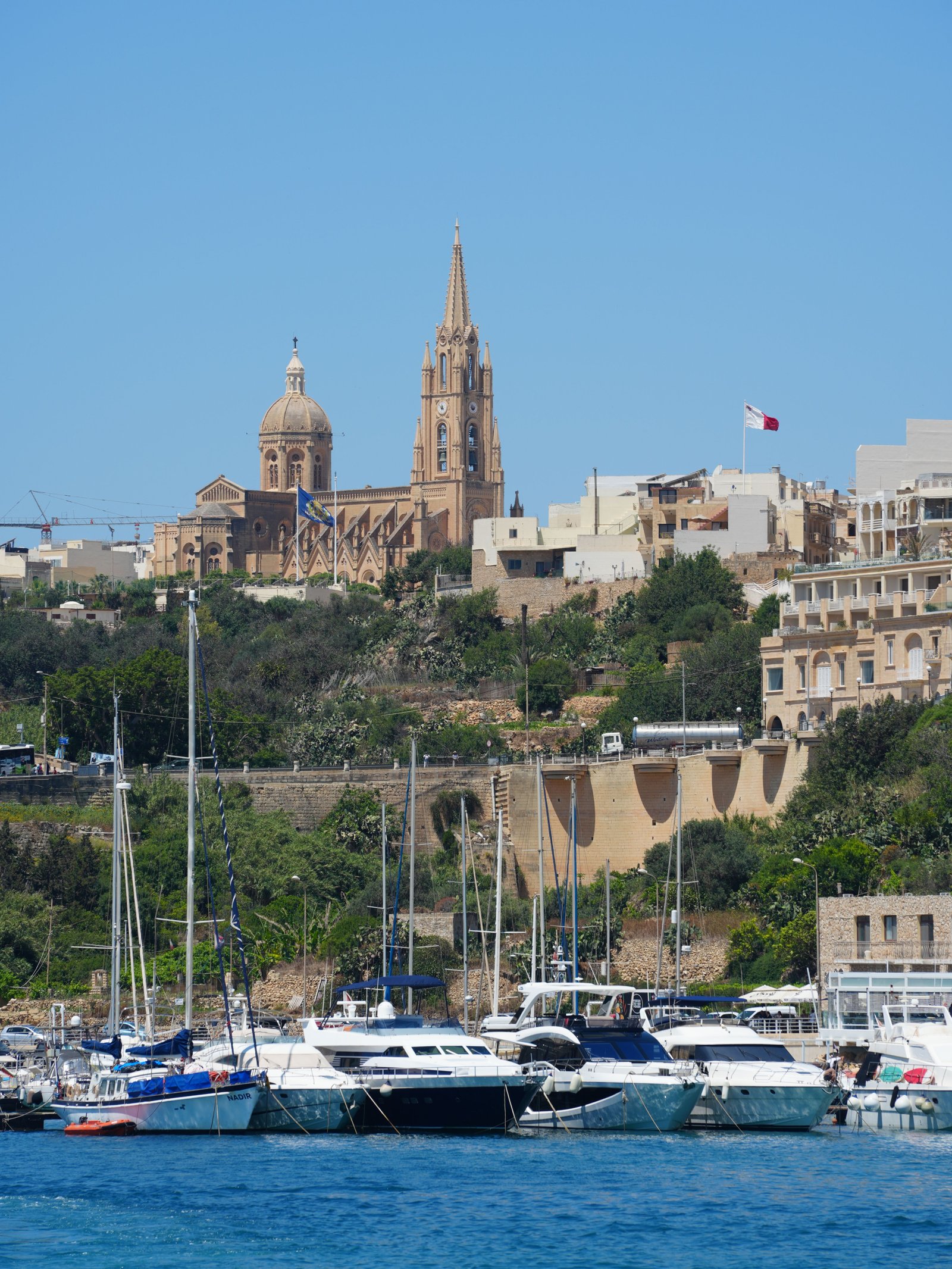
Valletta: A Capital Unlike Any Other
Malta's capital, Valletta, is a UNESCO World Heritage Site in its entirety — one of very few capital cities anywhere in the world to hold that distinction for its whole historic centre, not just a single district. Built by the Knights of St. John in the 16th century following the Great Siege of Malta, the city is a dense grid of honey-coloured limestone buildings, baroque churches, and fortified walls overlooking the Grand Harbour.
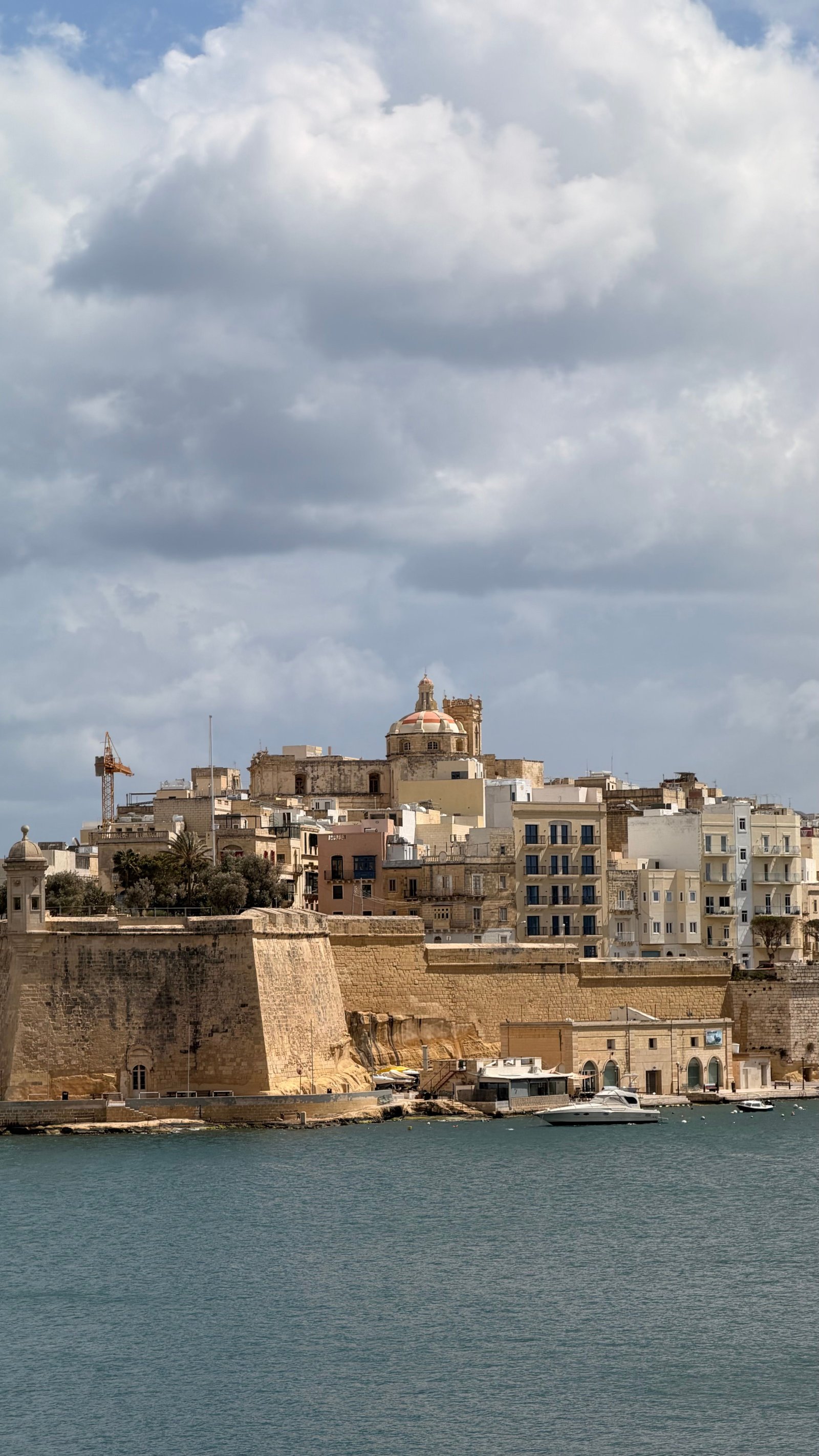
St. John's Co-Cathedral, unassuming from the outside, holds one of the most opulent Baroque interiors anywhere in Europe, along with Caravaggio's largest surviving painting, The Beheading of Saint John the Baptist — a genuinely significant work of art that surprises visitors who don't expect to find it on a small Mediterranean island. Walking Valletta's streets, with the Mediterranean visible at the end of nearly every road thanks to the city's grid layout, is one of the most distinctive capital city experiences in Europe.
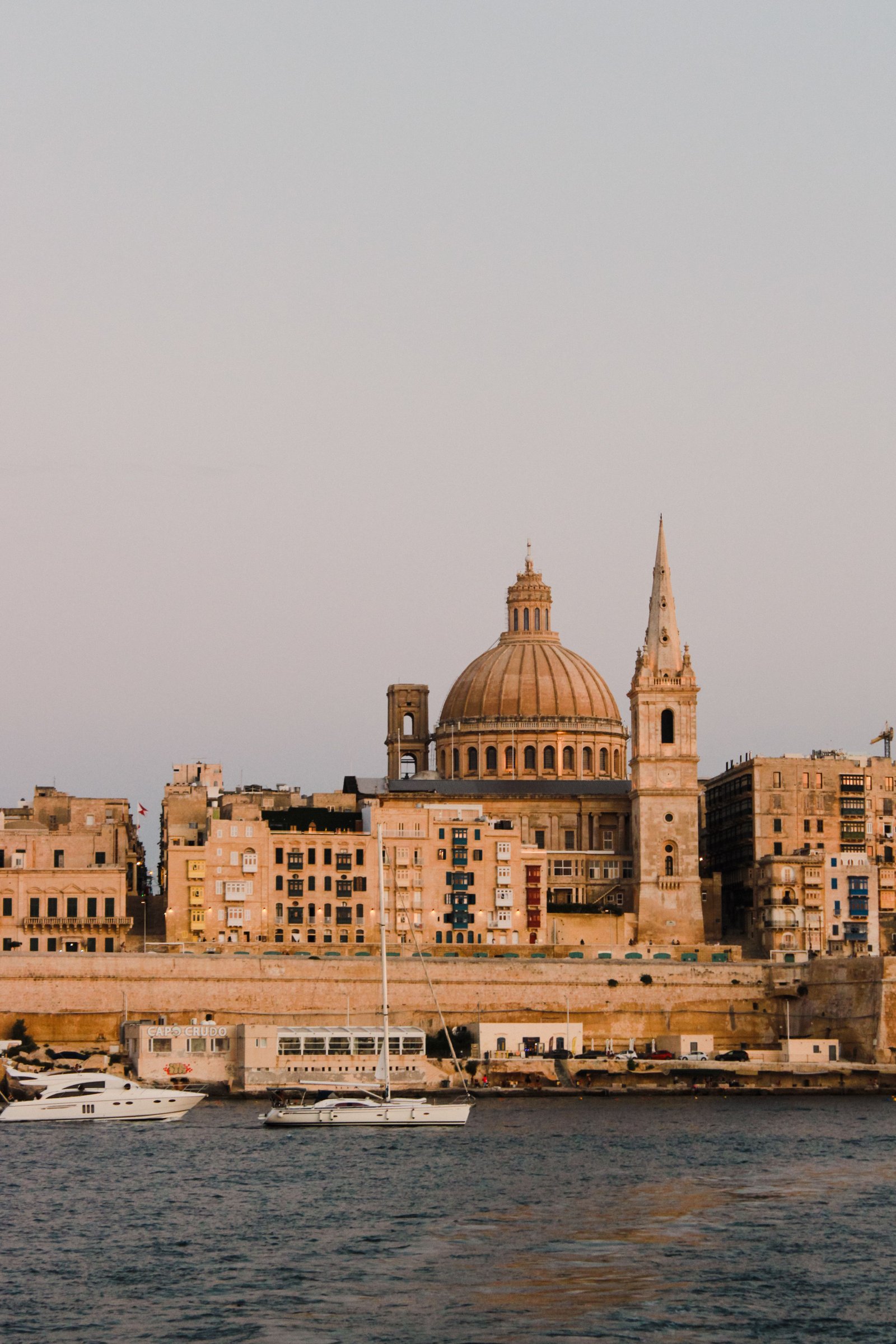
Mdina: The Silent City
A short distance from Valletta sits Mdina, Malta's former capital, nicknamed "the Silent City" for its hushed, car-free streets. Fortified and largely medieval in character, Mdina feels genuinely frozen in time — narrow winding lanes, honey-stone palazzos, and sweeping views across the island from its bastion walls. Fans of Game of Thrones may also recognise it as an early filming location for King's Landing, adding a modern pop-culture layer to its historic streets.
The Coastline and the Blue Lagoon
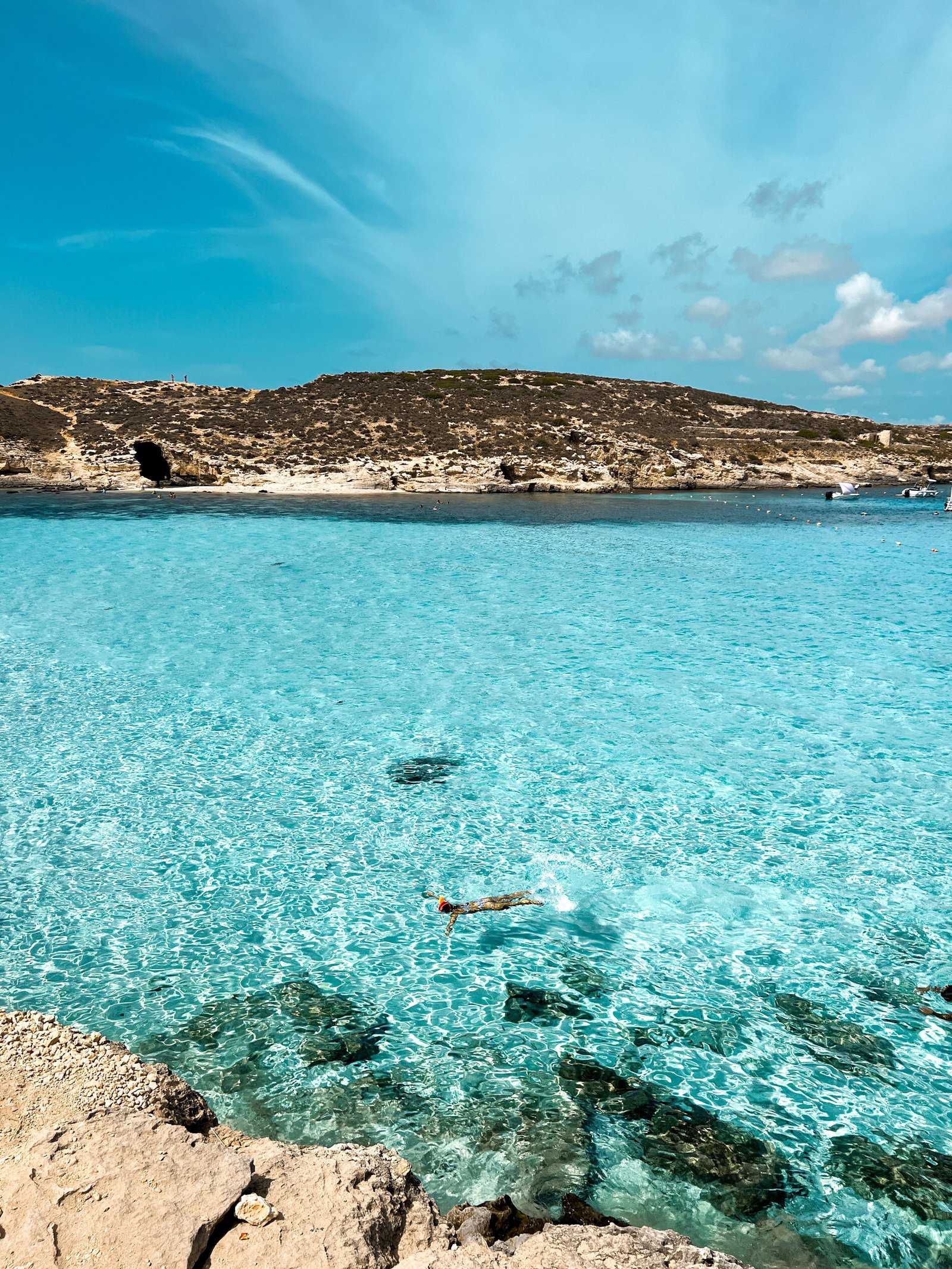
Malta's coastline is defined by dramatic limestone cliffs, hidden coves, and some genuinely striking swimming spots rather than long sandy beaches, which tend to be more limited than in Spain or Greece. The real draw is the water itself — the Mediterranean here is exceptionally clear, and boat trips to the Blue Lagoon on the nearby island of Comino, part of the wider Maltese archipelago, deliver some of the most vivid turquoise water anywhere in the Mediterranean.
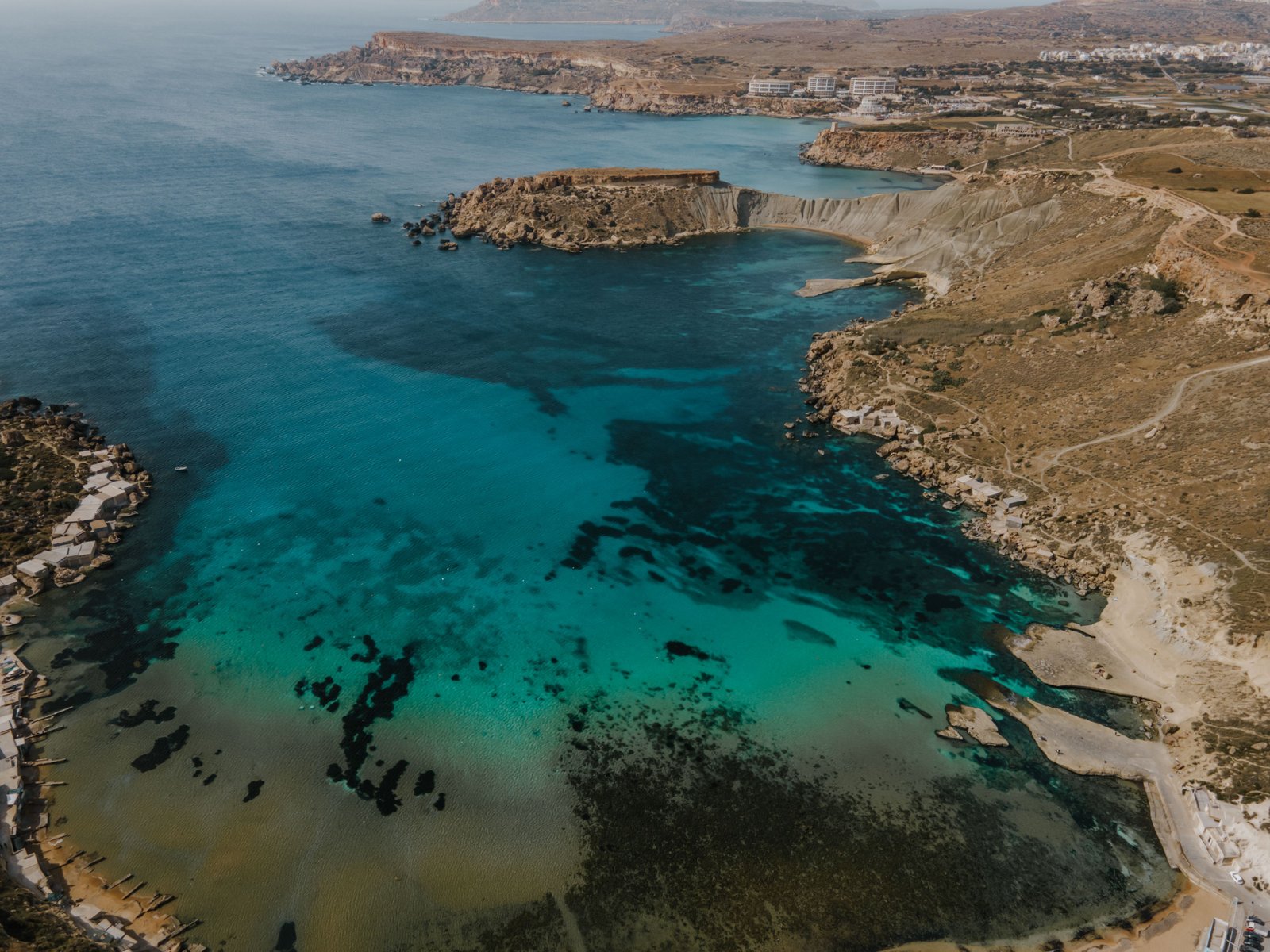
Gozo, Malta's quieter sister island, offers a slower, more rural alternative to the main island — dramatic coastal scenery, the Azure Window's former site (collapsed in 2017, but the surrounding cliffs remain spectacular), and a noticeably more relaxed pace than Valletta or the busier resort areas around Sliema and St. Julian's.
Why It's Genuinely Underrated
Malta gets overlooked for a few practical reasons: it's smaller than Cyprus, less famous than the Balearics, and doesn't have the singular postcard image that sells Santorini or the Amalfi Coast at a glance. But that's arguably part of its appeal rather than a weakness. Malta delivers serious historical depth — arguably more concentrated, layered history per square mile than almost anywhere else in the Mediterranean — combined with genuine ease of travel for English speakers that few other European destinations can match.
It's also considerably smaller and easier to get around than Crete or Sicily, making it realistic to see most of the island's highlights in a single week without the long transfer times that come with the Amalfi Coast or many of the larger Greek islands.
Practical Planning Notes
Direct flights from the UK typically run under 3.5 hours, making Malta one of the more accessible Mediterranean destinations for a shorter break. The climate follows a familiar Mediterranean pattern — hot, dry summers and mild winters — with spring and autumn offering the most comfortable temperatures for exploring Valletta and Mdina on foot without the height-of-summer heat. Malta's small size means a week is genuinely enough to cover the main island properly, with a day or two added on for Gozo if time allows.
Getting around is also refreshingly straightforward. Malta's bus network connects most of the island, and given how compact it is, transfer times between major towns rarely stretch beyond 30-40 minutes — a genuine contrast to the long, winding drives that can eat into an Amalfi Coast or Crete itinerary. Ferries to Gozo run frequently and take well under an hour, making a day trip there easy to slot into a wider Malta stay without needing to commit to an overnight change of base.
Thinking about somewhere different from the usual Mediterranean names? Malta's combination of history, climate, and easy familiarity makes it a genuinely strong option worth considering. Get in touch and I'll help you plan it properly.