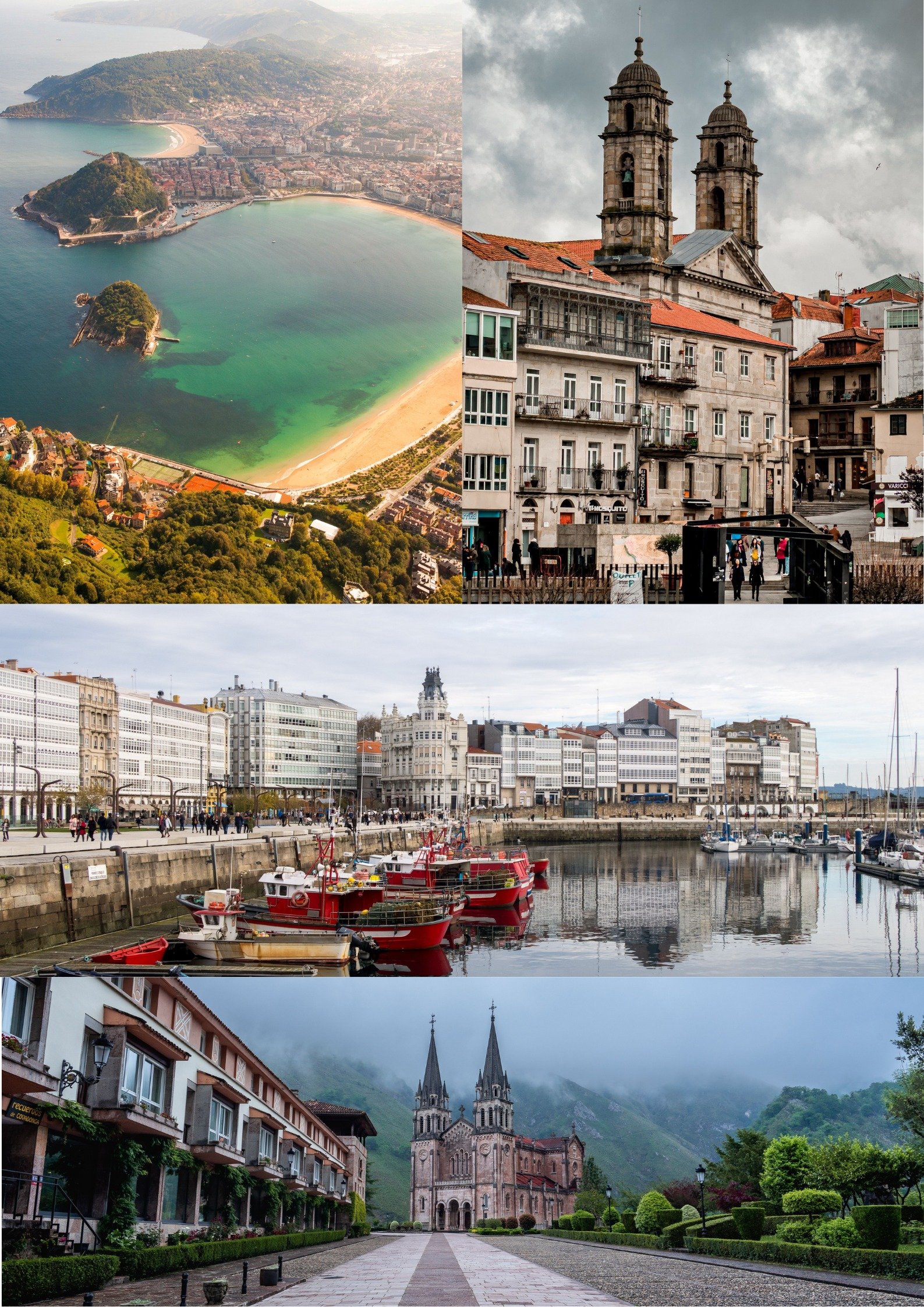
Northern Spain (Green Spain): Galicia, Asturias, Cantabria & the Basque Country
Best time: June to September. This Atlantic-influenced region is cooler and greener than the rest of Spain, with mild summers (low-to-mid 20s°C) that make it one of the few genuinely comfortable places to visit at the height of summer, when the south is at its most punishing. Rain is possible year-round, so summer carries the lowest risk of a washed-out trip.
Worth knowing: this is also where some of Spain's best food culture lives — San Sebastián in particular is considered one of the culinary capitals of Europe — so it's a strong pick for food-focused travellers looking for an alternative to the more obvious southern coastal destinations.
Central Spain: Madrid & Castilla
Best time: April-May or September-October. Madrid's continental climate means real extremes — summer temperatures regularly pass 35°C, while winters can drop close to freezing. Shoulder season delivers warm, comfortable days without either extreme, and noticeably thinner crowds at major sites.
Worth knowing: many locals leave Madrid entirely in August because of the heat, so a summer visit can feel oddly quiet in places, even while tourist numbers stay high around the main sights. Toledo and Segovia, both popular day trips from the capital, follow the same continental pattern, so the same seasonal advice applies to combining Madrid with either city.

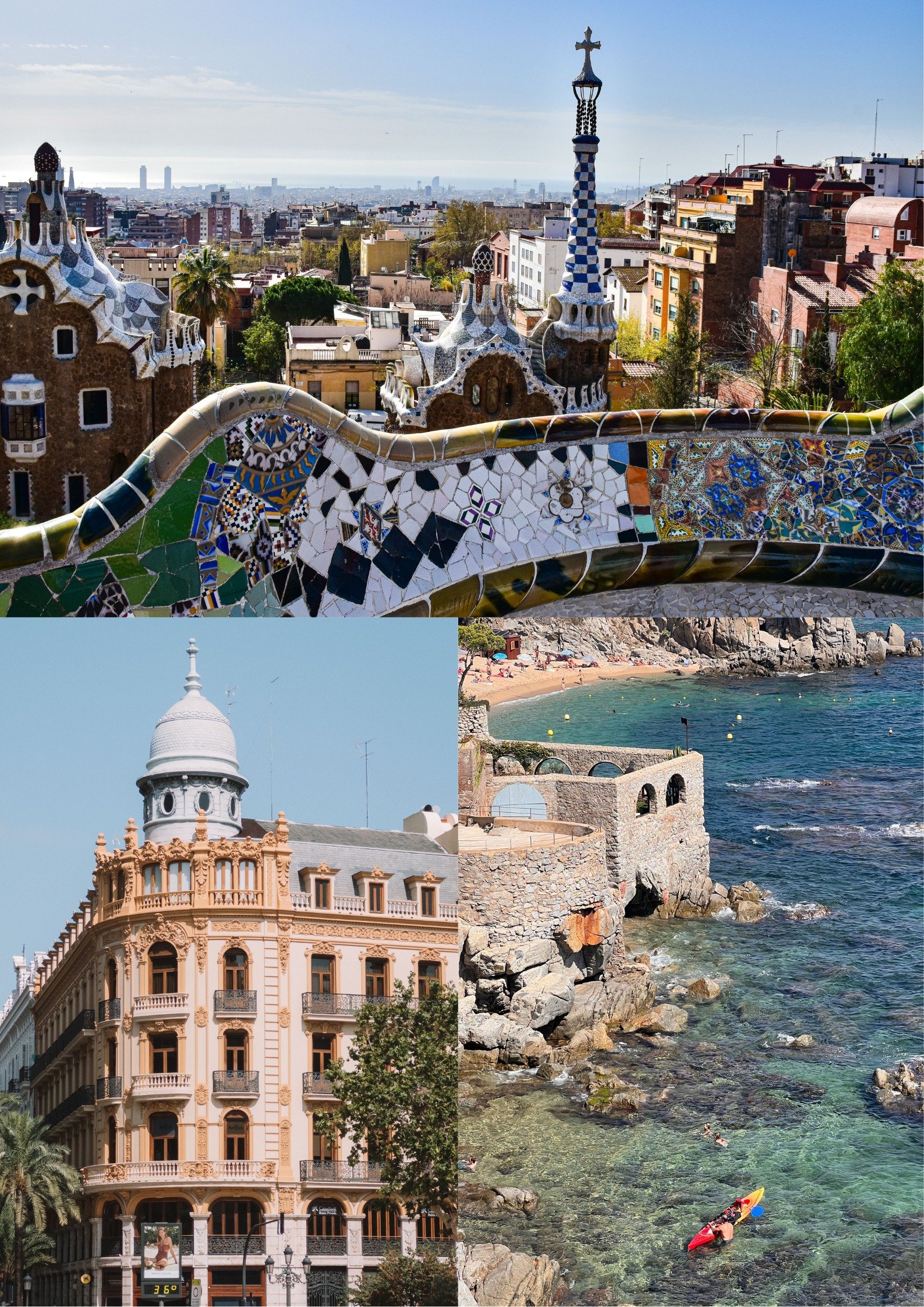
The Mediterranean Coast: Barcelona, Costa Brava, Valencia & Costa Blanca
Best time: May-June and September-October for the best balance of warm weather and manageable crowds. July-August bring reliably hot weather but also peak prices and packed beaches. Winters here are genuinely mild — often still mid-teens °C in December — making this coast a viable winter sun option too.
Worth knowing: this mild winter climate is exactly why the Mediterranean coast has become such a popular long-stay and retirement destination for British and northern European visitors, not just a summer holiday spot.
Southern Spain: Andalusia (Seville, Córdoba, Granada & the Costa del Sol)
Best time: April-May or late September-October for inland cities, where summer temperatures regularly exceed 40°C and can make sightseeing genuinely unsafe at the hottest times of day. Coastal areas are more forgiving thanks to sea breezes. Winters are the mildest on the mainland — rarely below the mid-teens °C — which is exactly why this coast has become such a popular winter escape for UK travellers.
Worth knowing: the heat difference between coast and inland Andalusia in summer is bigger than most first-time visitors expect — a beach day in Málaga and a walking tour in Seville on the same July afternoon are two very different experiences.

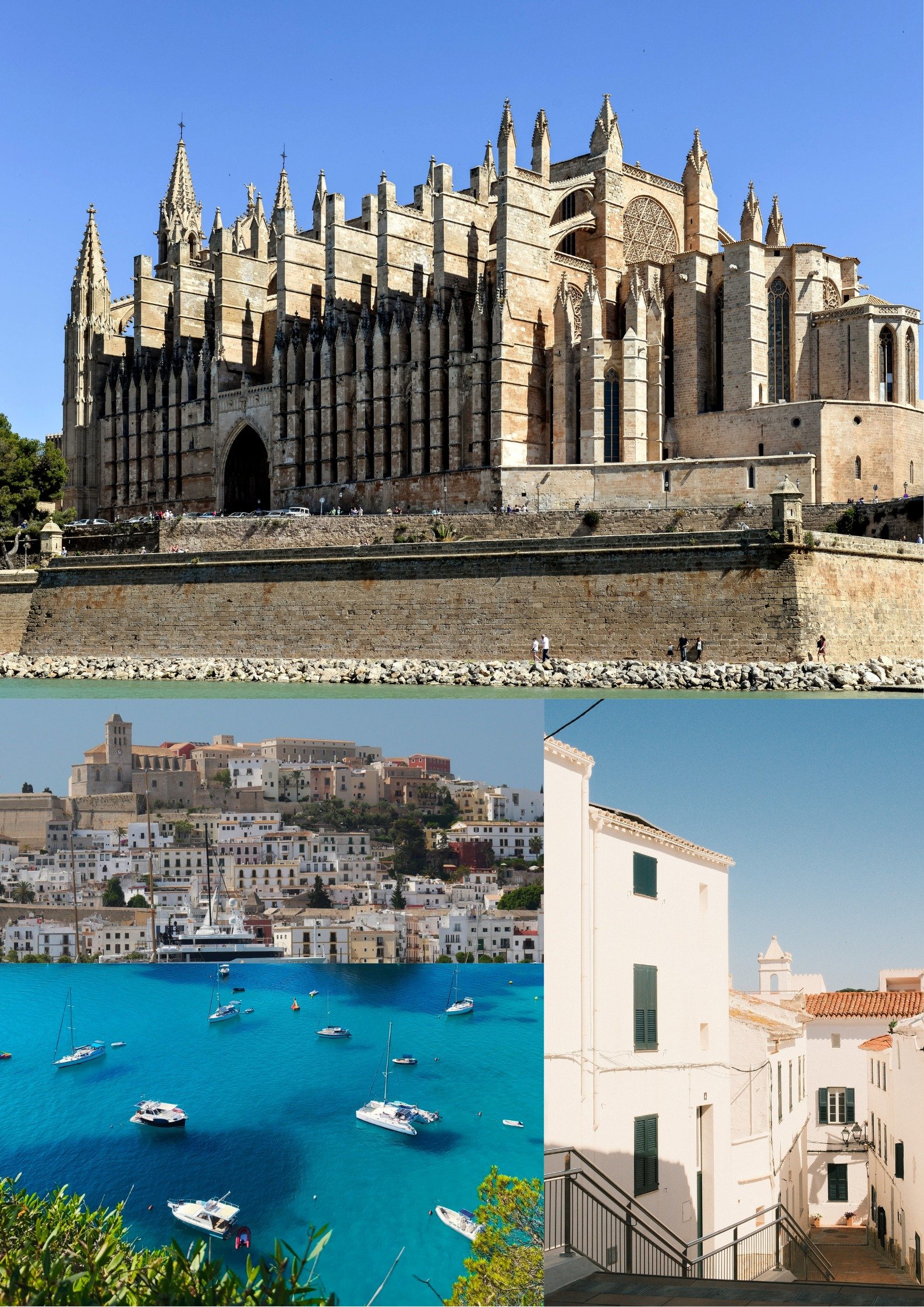
The Balearic Islands: Mallorca, Menorca & Ibiza
Best time: May-June or September for a quieter, cheaper version of the islands with still-warm weather. Ibiza in particular becomes a far more expensive destination once peak nightlife season hits. October can still deliver excellent weather and warm sea temperatures, well after the crowds have thinned.
Worth knowing: Menorca tends to stay noticeably quieter than Mallorca or Ibiza even in peak season, making it a good shoulder-season pick for anyone who wants island scenery without the busiest crowds at any time of year.
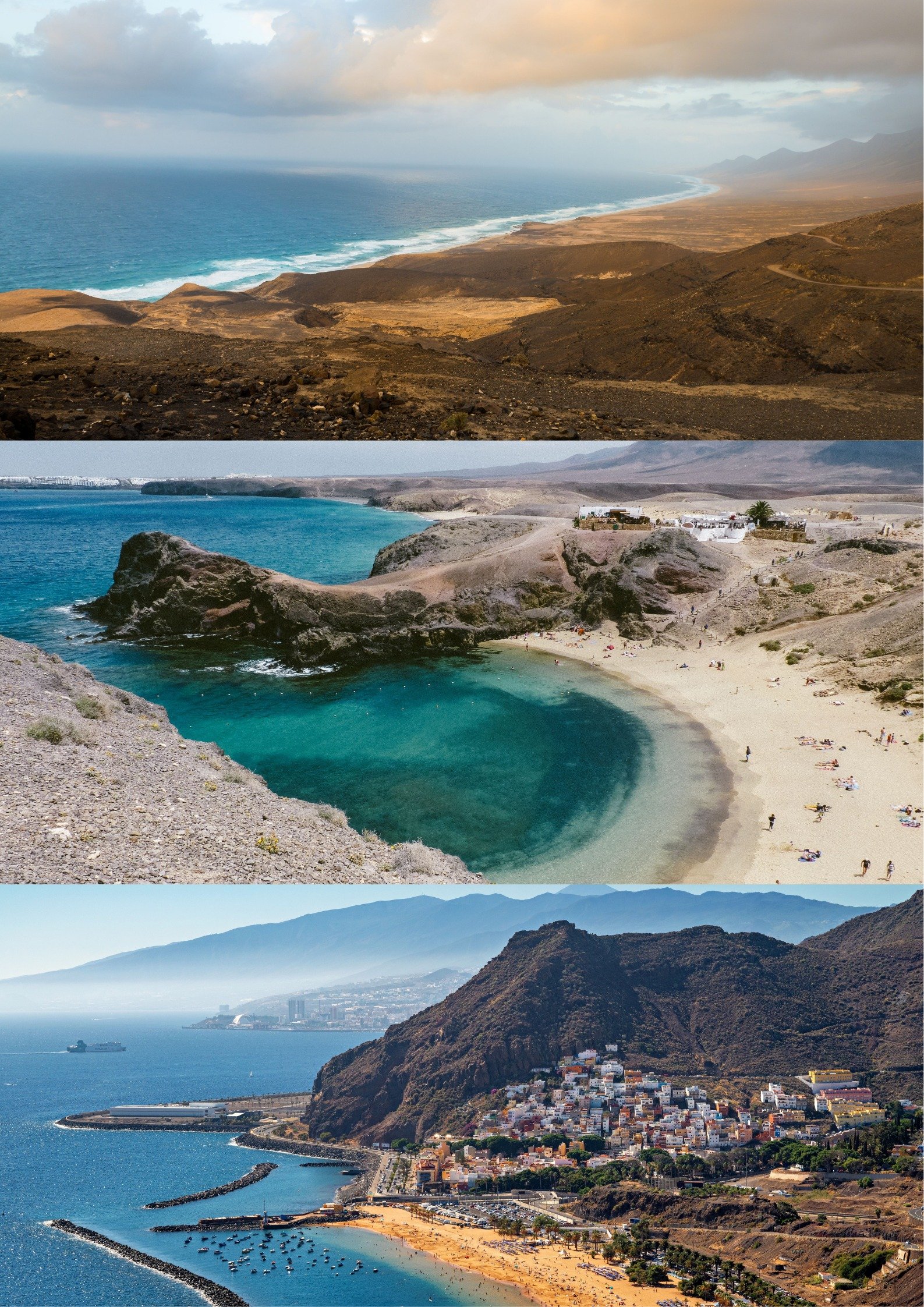
The Canary Islands: Tenerife, Gran Canaria, Lanzarote & Fuerteventura
Best time: Genuinely year-round. This subtropical, off-Africa location rarely drops below the high teens °C in winter, and summer heat is moderated by constant trade winds. It's one of the only parts of Europe that can be confidently recommended as a winter sun destination — which is why Canaries demand stays strong through winter, while the rest of Spain quiets down.
Worth knowing: because demand holds steady through winter rather than dropping off, prices don't fall the way they do on the mainland in the colder months — booking early still matters here, even outside peak summer.
The Pattern
Mainland Spain broadly rewards spring or autumn travel. Summer works best in the north, where the Atlantic keeps things moderate, and works less well the further south and inland you go. Winter really belongs to the Canary Islands — and increasingly the southern mainland coast too, for anyone happy to trade a few degrees for guaranteed sunshine and lower prices.
That's the kind of regional nuance a generic supplier page won't spell out, because it means treating Spain as several distinct destinations rather than one uniform country — which is exactly what makes the difference between booking a holiday that happens to be in Spain, and booking the right trip, in the right region, at the right time.
It's also worth remembering that these patterns are general guidance, not guarantees — Spain's weather, like anywhere, has its share of unusually hot Aprils or unseasonably wet Augusts. But used as a starting point, this regional breakdown gets far closer to the real experience of visiting than treating the whole country as a single climate ever could, and it's exactly the kind of detail worth factoring in before dates get locked in.
Not sure which part of Spain suits your dates? That's exactly the kind of planning question I help with every day — get in touch and I'll match the destination to the trip, not the other way around.