The Amalfi Coast: Glamour and Grand Views
The Amalfi Coast stretches along the Sorrentine Peninsula south of Naples, strung together by one of the most scenic (and notoriously nerve-wracking) coastal drives in the world. Towns like Positano, Amalfi, and Ravello tumble down steep cliffs in a cascade of pastel-coloured buildings, lemon groves, and narrow stepped streets, with the Tyrrhenian Sea stretching out below.
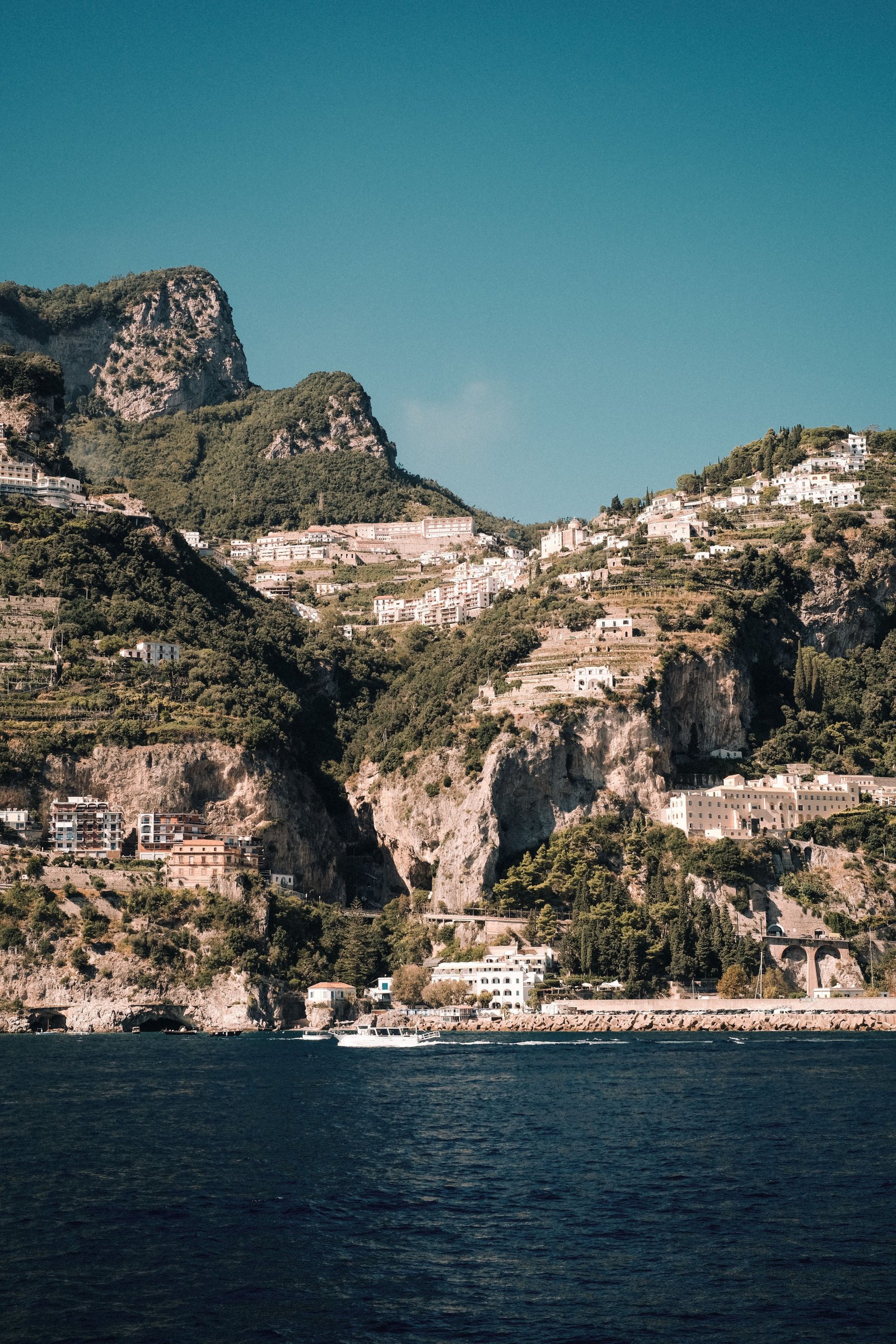
Positano is the coast's most photographed town — a near-vertical drop of terracotta rooftops and boutique hotels leading down to a small beach — and it comes with genuinely glamorous energy, drawing a well-heeled crowd and a level of polish that shows in the hotel prices. Amalfi town itself is more grounded and walkable, home to a striking cathedral and a busier, more practical harbour feel. Ravello, perched higher up the cliffs, offers a quieter, more elevated alternative, with the region's best gardens and sweeping panoramic views away from the busiest crowds.
The coastal road connecting these towns — the SS163 — is spectacular but slow, narrow, and prone to serious traffic in peak season, with some journeys between towns taking far longer than the map distance suggests. Many visitors use ferries between towns instead, which tend to be faster, more relaxing, and come with their own stunning views of the coastline from the water.
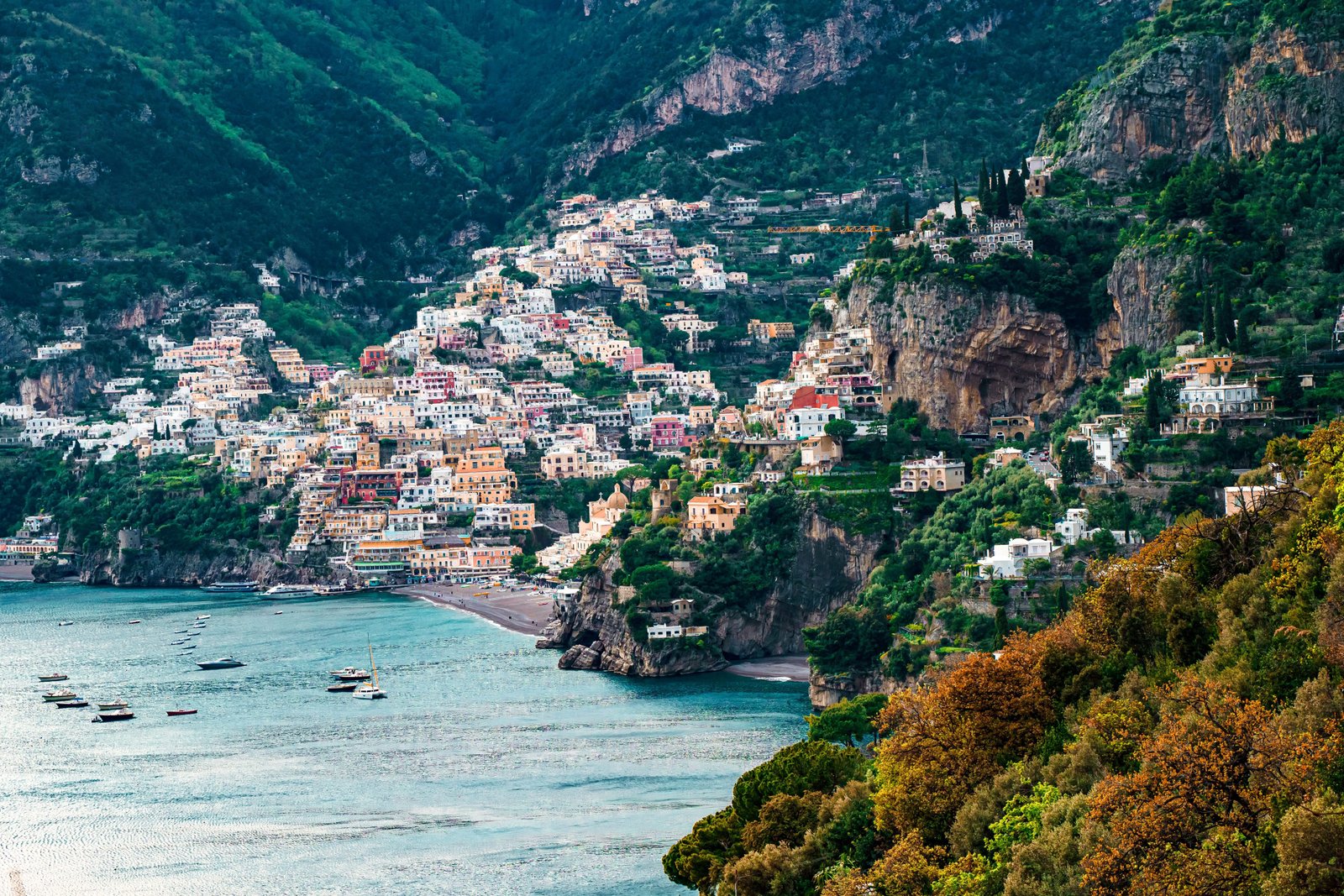
Best for: couples and honeymooners, travellers who want glamour and grand hillside views, and anyone happy to structure a trip around slower travel between beautiful bases rather than covering lots of ground quickly.
Cinque Terre: Rustic and Walkable
Cinque Terre — literally "five lands" — is a cluster of five small fishing villages along Liguria's coastline in northern Italy: Monterosso al Mare, Vernazza, Corniglia, Manarola, and Riomaggiore. Where the Amalfi Coast feels grand and polished, Cinque Terre feels rustic and intimate — smaller villages, narrower streets, and a noticeably more relaxed, unpretentious atmosphere overall.
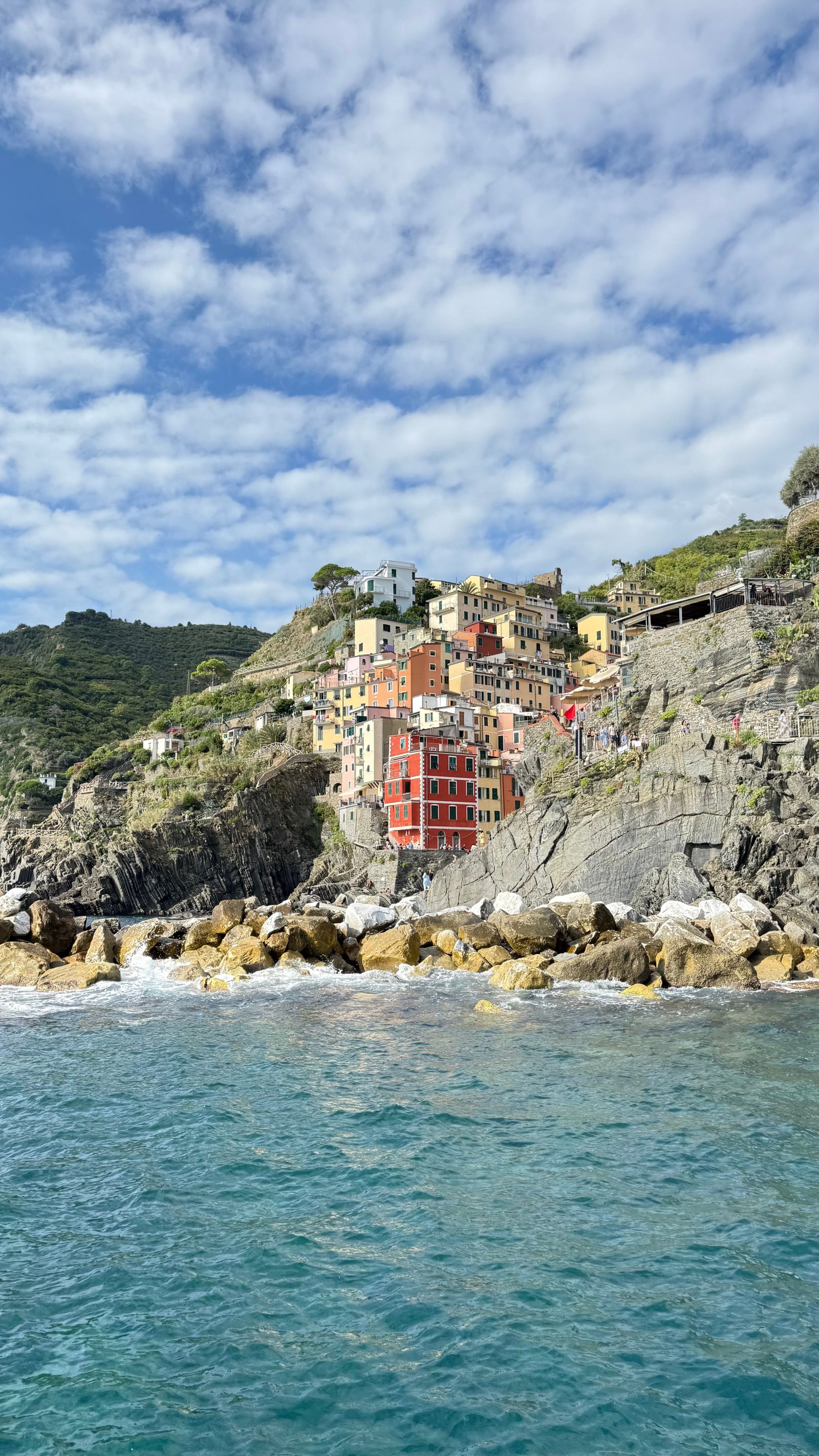
The defining feature here is the network of coastal hiking trails connecting all five villages, part of the Cinque Terre National Park. The most famous stretch, the Sentiero Azzurro (Blue Trail), links the villages along cliffside paths with sea views the entire way, though sections occasionally close for maintenance or after landslides, so it's always worth checking current trail status before planning a hike-based itinerary. A local train line also connects all five villages in minutes, making Cinque Terre considerably easier to explore without a car than the Amalfi Coast.
Vernazza and Manarola are generally considered the most picturesque of the five, both with small harbours framed by colourful buildings, while Monterosso has the area's best proper beach. Corniglia, the only village not directly on the water, sits atop a cliff and requires a steep climb (or a shuttle bus) from the train station — worth knowing before arriving with heavy luggage.
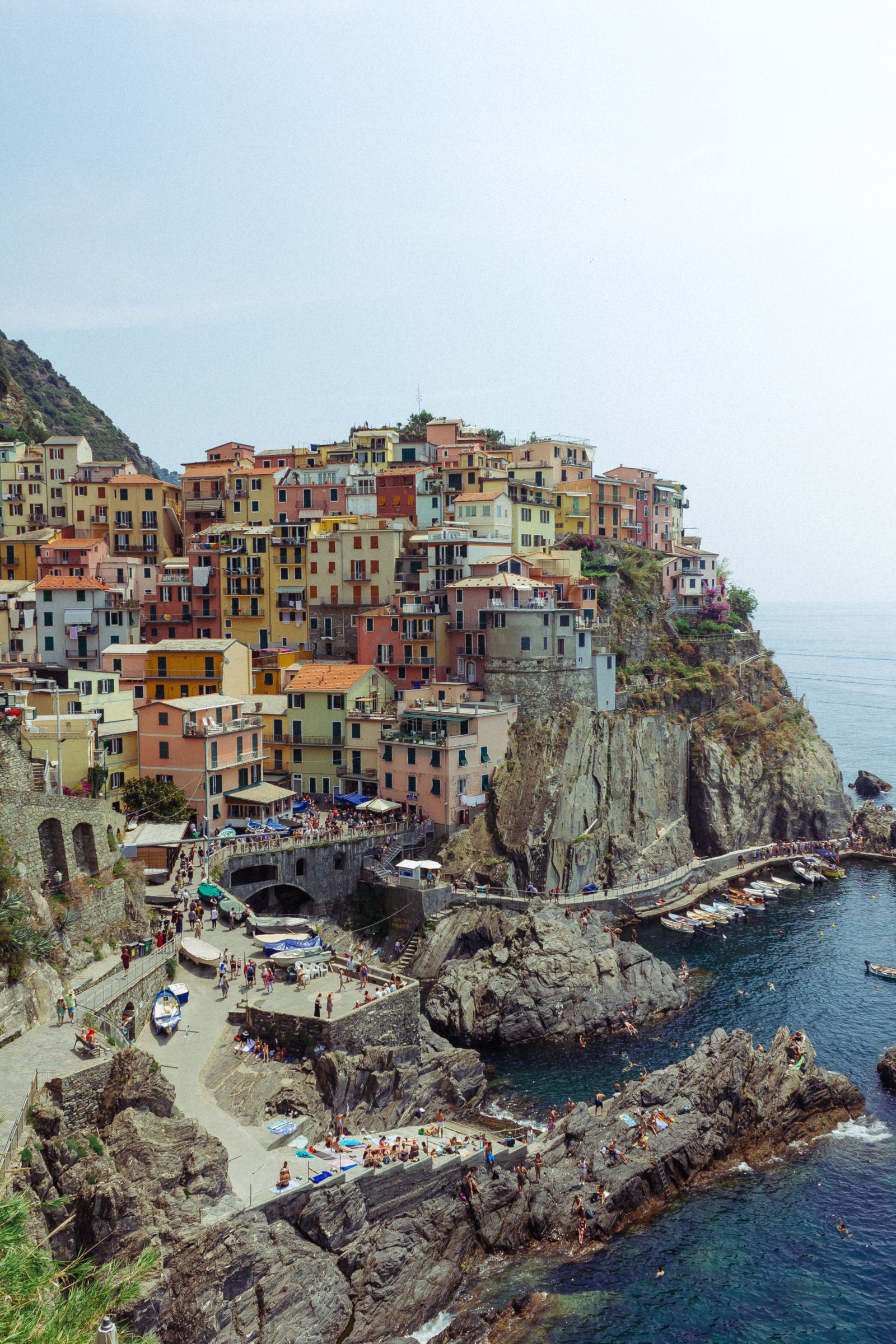
Best for: hikers and walkers, travellers who prefer a low-key, low-glamour atmosphere, and anyone who wants to explore multiple villages easily without needing to drive.
The Honest Comparison
The biggest practical difference between these two destinations is how you get around. The Amalfi Coast largely depends on that stunning but slow coastal road, or ferries as an alternative — either way, moving between towns takes real planning and time. Cinque Terre, by contrast, is built for exactly this kind of village-hopping, with a train line and hiking trails specifically designed to link its five villages together.
There's also a genuine difference in atmosphere and cost. The Amalfi Coast has more luxury hotels, more fine dining, and a more sophisticated, see-and-be-seen energy, particularly in Positano — all of which comes with a noticeably higher price tag. Cinque Terre is generally more affordable and low-key, with simpler guesthouses and family-run trattorias replacing the grand hillside hotels found further south.
Crowds are a genuine consideration for both, especially in peak summer. Positano and Vernazza in particular can feel overwhelmed by day-trippers between June and August, since both are popular cruise ship and tour bus stops as well as overnight destinations. Visiting in May, June, or September delivers a noticeably calmer version of either coastline without losing the good weather.
Which One Actually Suits Your Trip?
If the goal is a romantic, glamorous escape with grand hillside views, excellent restaurants, and a slower pace built around beautiful home bases, the Amalfi Coast is the stronger fit — just be prepared to build real travel time into the itinerary between towns. If the goal is an active, scenic trip built around hiking and easy village-hopping, with a more relaxed, rustic atmosphere and a gentler price tag, Cinque Terre delivers that far more naturally.
Both are genuinely achievable in a single Italy trip if time allows, though they sit at opposite ends of the country — the Amalfi Coast near Naples in the south, Cinque Terre in Liguria in the north — so combining them usually means treating them as two separate legs of a longer Italian itinerary, rather than a quick add-on to each other.
A few practical notes worth factoring in either way: both destinations are best reached via a major Italian airport rather than flying direct — Naples for the Amalfi Coast, and either Pisa or Genoa for Cinque Terre — with a transfer or train journey to follow. Neither coastline is particularly geared toward driving once there, so renting a car isn't always the advantage it might seem; on the Amalfi Coast it can mean sitting in slow-moving traffic on narrow cliffside roads, while in Cinque Terre several villages have very limited (or no) car access at all, making the train the far more practical option regardless of how a visitor arrives in the region.
Trying to decide between the Amalfi Coast and Cinque Terre, or wondering how to fit both into one Italian trip? Get in touch and I'll help build the right itinerary around it.