Andalusia: Tapas Culture
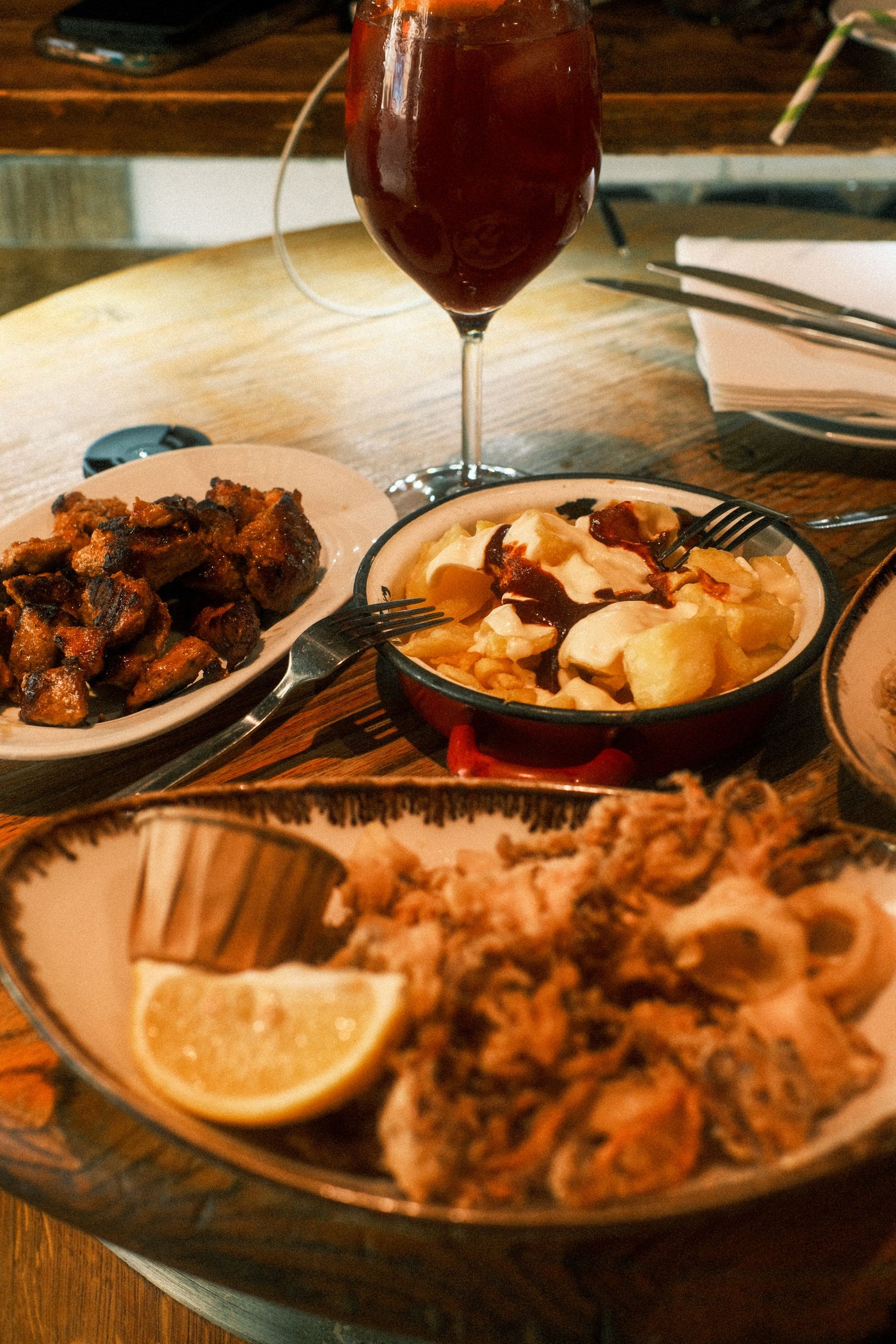
Tapas didn't originate as a menu category — they began as small snacks traditionally served free alongside a drink, a custom that still survives in cities like Granada, where ordering a beer can still get you a genuinely free plate of food without asking. Andalusia is where tapas culture is most deeply embedded into daily life, built around the idea of moving between several small bars over an evening rather than sitting through one long meal in one place.
Expect jamón ibérico, fried fish (pescaíto frito) along the coast, salmorejo — a thicker, creamier cousin of gazpacho, particularly associated with Córdoba — and sherry, which comes specifically from the Jerez region and remains criminally underrated outside Spain. Seville and Granada both have thriving tapas scenes, but the culture and specific dishes shift even within Andalusia itself, so it rewards trying more than one city rather than assuming one visit covers it.
The Basque Country: Pintxos, Not Tapas
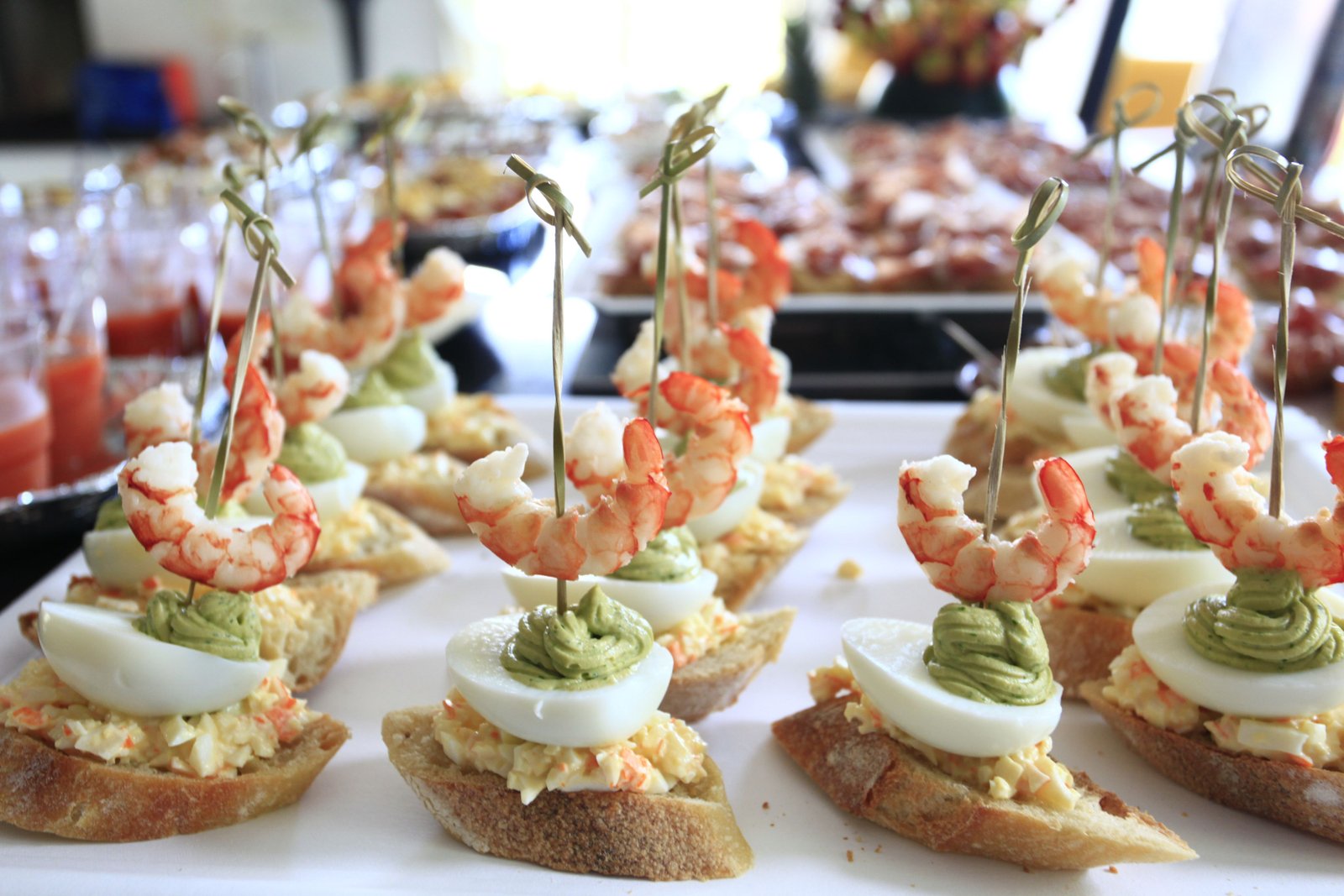
Ask for tapas in San Sebastián or Bilbao and locals will politely correct the terminology — this region has its own version, called pintxos, and treating them as interchangeable with tapas misses what makes them genuinely different. Pintxos are typically served atop a slice of bread, often held together with a cocktail stick, and displayed along the bar for customers to simply pick up rather than order from a menu.
The Basque Country has one of the highest concentrations of Michelin-starred restaurants per capita anywhere in the world, and San Sebastián in particular is widely considered one of Europe's culinary capitals — a reputation built on both its high-end dining scene and its old town's pintxos bars, which deliver Michelin-adjacent quality at a fraction of the price. Basque cuisine also leans heavily on the region's Atlantic coastline — expect exceptional seafood, particularly hake and anchovies, alongside txakoli, a slightly sparkling local white wine traditionally poured from a height to aerate it.
Valencia: The True Home of Paella
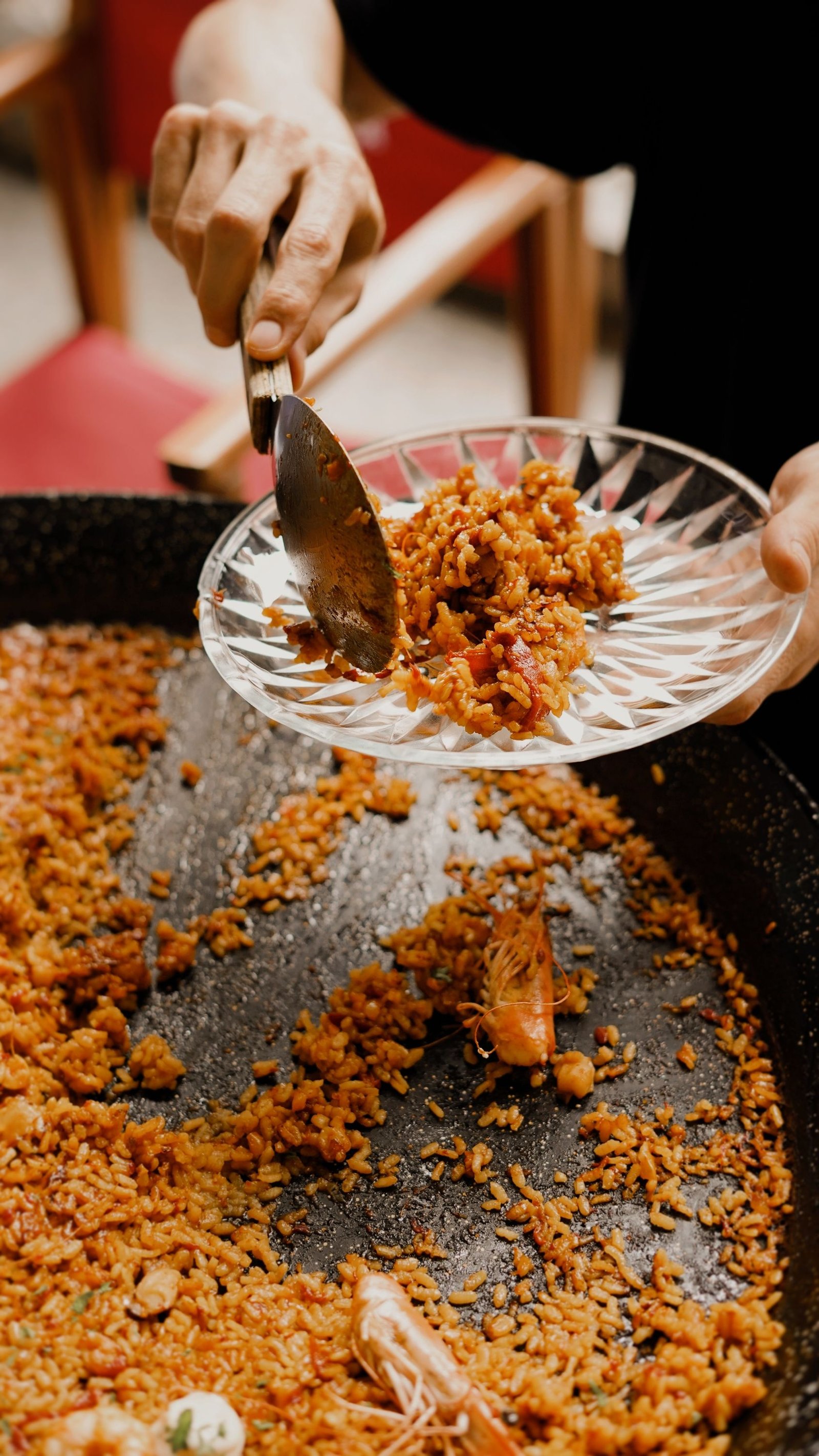
This is the correction that surprises more people than almost any other food fact about Spain: paella did not originate in Barcelona. It comes from Valencia, and the original, traditional recipe doesn't even include seafood — it's built on rabbit, chicken, and snails, cooked with saffron and a specific short-grain rice grown in the wetlands just outside the city.
Seafood paella exists and is genuinely excellent, but it's a variation, not the original — and in Valencia itself, ordering the traditional version (paella Valenciana) rather than assuming seafood is the "real" one tends to surprise visitors in the best way. Paella is also traditionally a lunchtime dish cooked in a wide, shallow pan specifically so the rice develops a crisp, caramelised base layer called the socarrat, considered by many locals to be the best part of the dish.
Galicia: Seafood Country
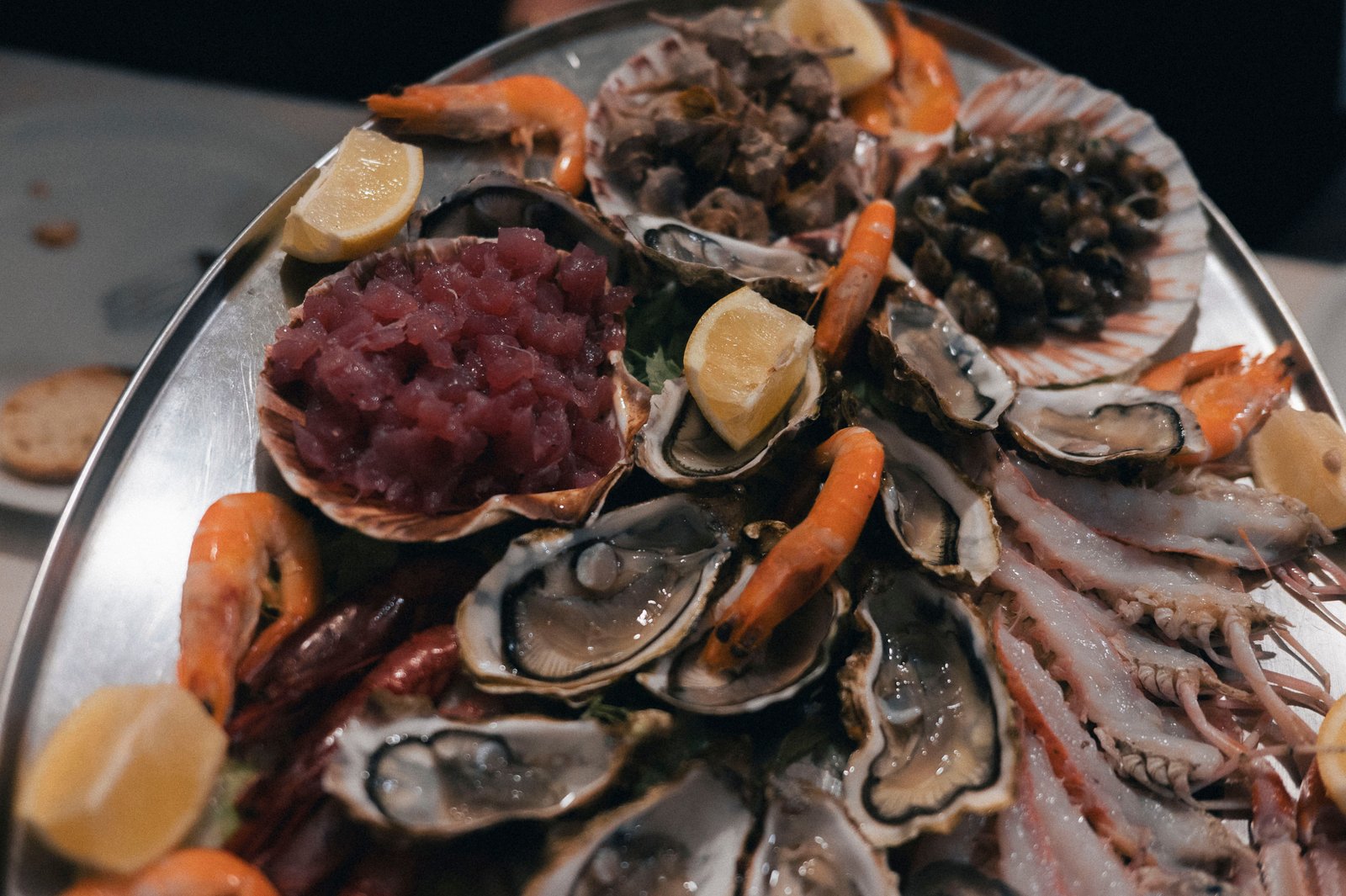
Tucked into Spain's rainy, Atlantic-facing northwest, Galicia has a food culture built almost entirely around what comes out of its coastal waters, and it's arguably the least internationally known of Spain's great regional cuisines despite being one of the strongest.
Pulpo a la gallega — octopus, boiled and sliced, dressed simply with olive oil, paprika, and coarse salt — is the region's signature dish, and it's a world away from the rubbery octopus stereotype many visitors expect. Galicia is also known for percebes (goose barnacles, a genuinely prized and expensive delicacy), excellent white wines like Albariño, and empanada gallega, a savoury filled pastry that varies from bakery to bakery. The region's cooler, wetter climate also means a heavier reliance on stews and hearty dishes compared to the lighter, oil-based cooking found further south.
Central Spain: Roasts and Stews
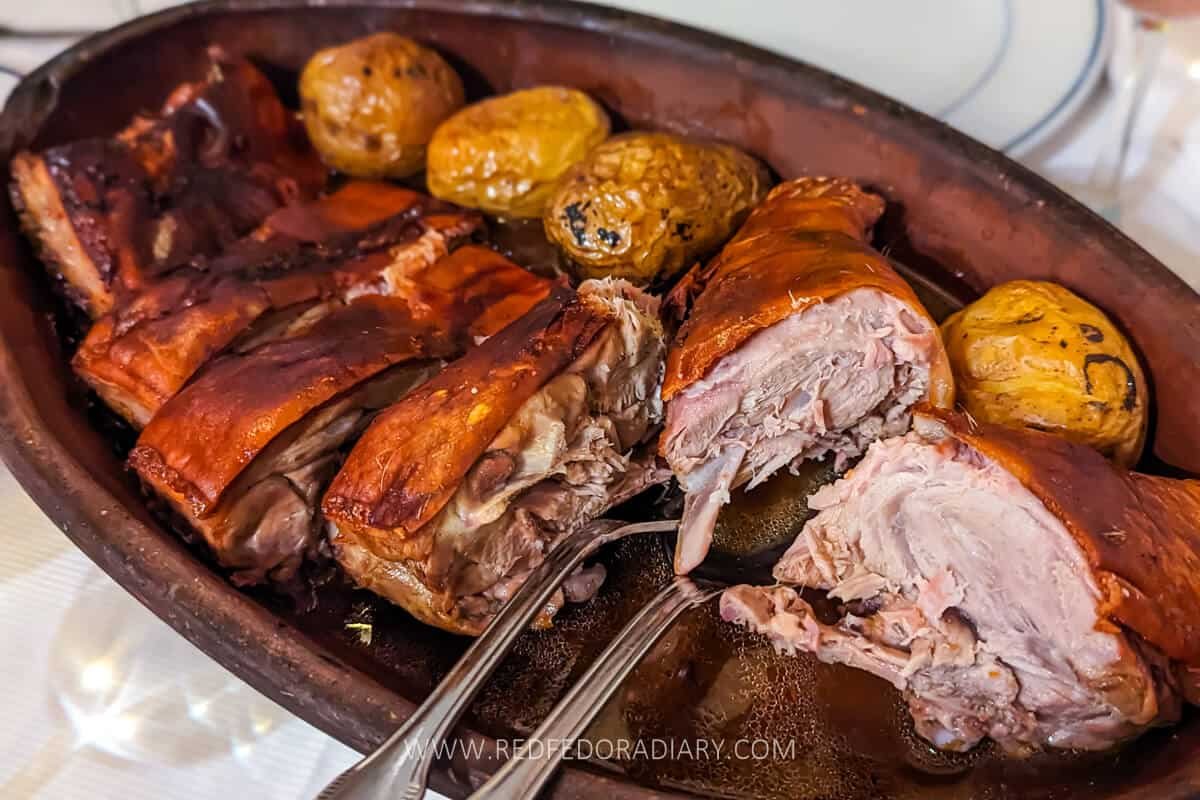
Madrid and the surrounding Castilian plains have a food culture shaped by their continental climate — hot summers and cold winters producing hearty, warming dishes rather than the lighter coastal cooking found elsewhere. Cocido madrileño, a slow-cooked chickpea stew served in stages, is the dish most associated with the capital, alongside roast suckling pig (cochinillo) and roast lamb, both specialities of nearby Segovia.
This is also the region most associated with jamón at its finest — Madrid's markets and tabernas are some of the best places in the country to try genuinely high-quality Ibérico ham, even though the pigs themselves are typically raised further south and west.
Why This Actually Matters When Planning a Trip
Treating "Spanish food" as one single cuisine leads to a fairly common disappointment: visitors expecting the tapas culture of Andalusia land in the Basque Country and wonder why the format feels unfamiliar, or arrive in Madrid expecting fresh seafood and get heavier, meat-based comfort food instead. None of that is a downgrade — it's simply a different regional cuisine, and each one is worth experiencing on its own terms rather than through the lens of what "Spanish food" was assumed to mean before arriving.
For anyone building a trip specifically around food, this regional variation is actually the strongest argument for visiting more than one part of Spain in a single trip — pairing, say, a few days in the Basque Country's pintxos bars with a stretch in Andalusia's tapas culture, gives a far more complete picture of what Spanish food actually is than staying in one region alone.
Planning a trip with food as the main event? Matching the right region to the right kind of eating experience makes all the difference — get in touch and I'll help build an itinerary around it properly.